Books
During his lifetime a poet or writer speaks to himself through his writings. A book is like a gallery which the reader can visit to view that conversation and get enriched.For the poet this is a search to his innermost being, and for the reader the book is the conversation which will take the reader through the journey to his/her hidden self. This is the endeavor which both the creator and reader together undertake through the book.
Recent Books
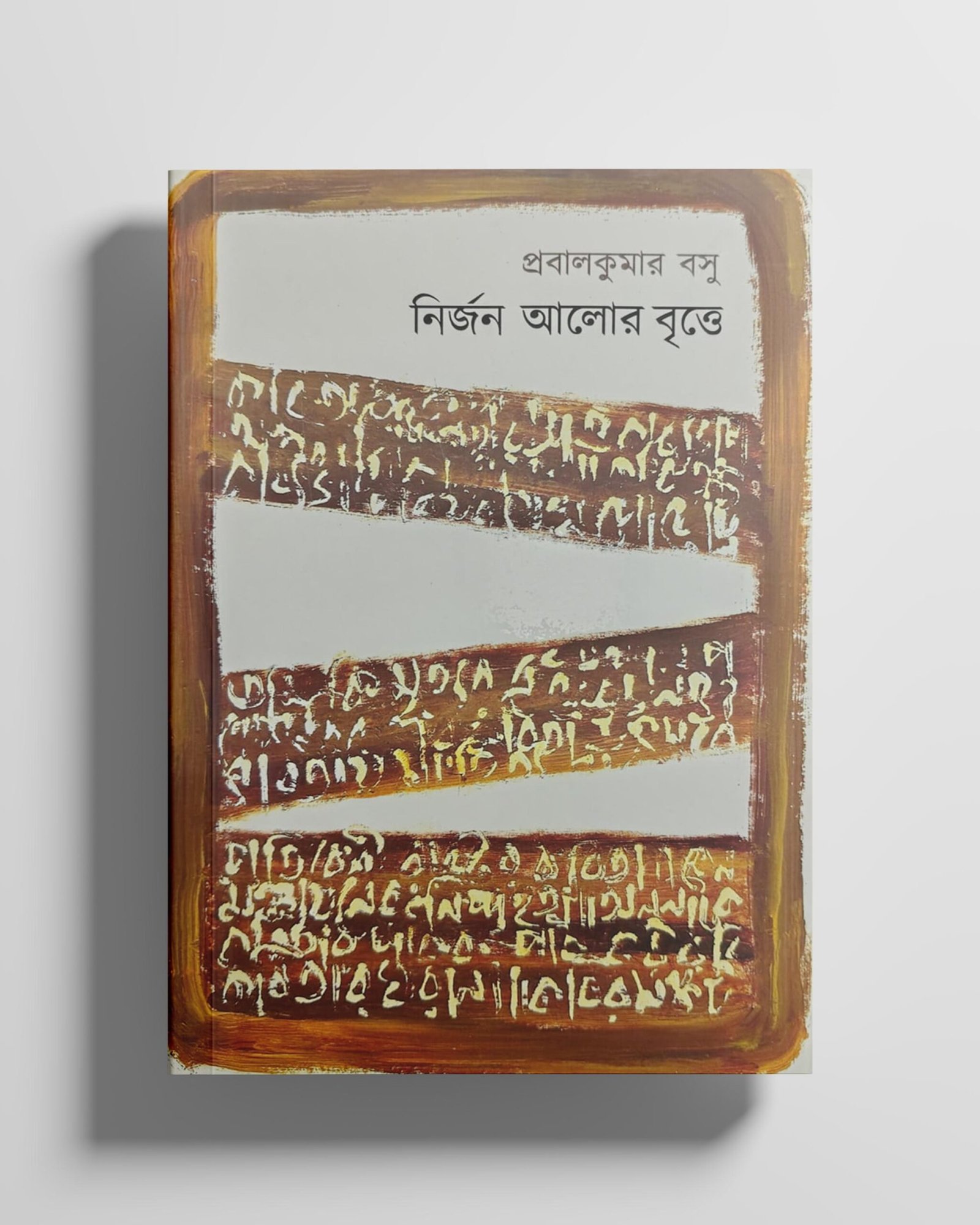
নির্জন আলোর বৃত্তে
Year of Publishing: 2026
ভালোই বাসতে চেয়েছি
Year of Publishing: 2026
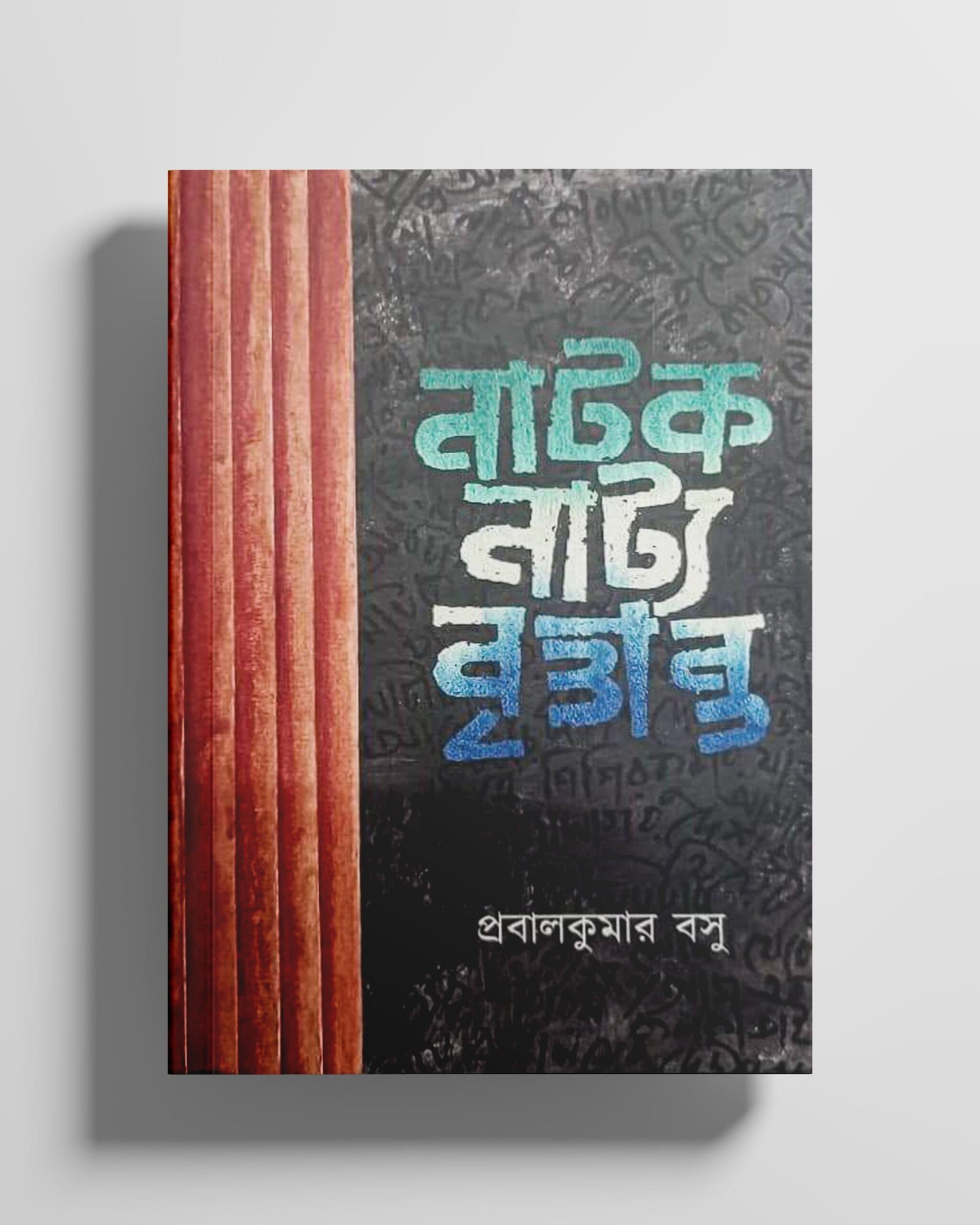
নাটক নাট্য বৃত্তান্ত
Year of Publishing: 2025
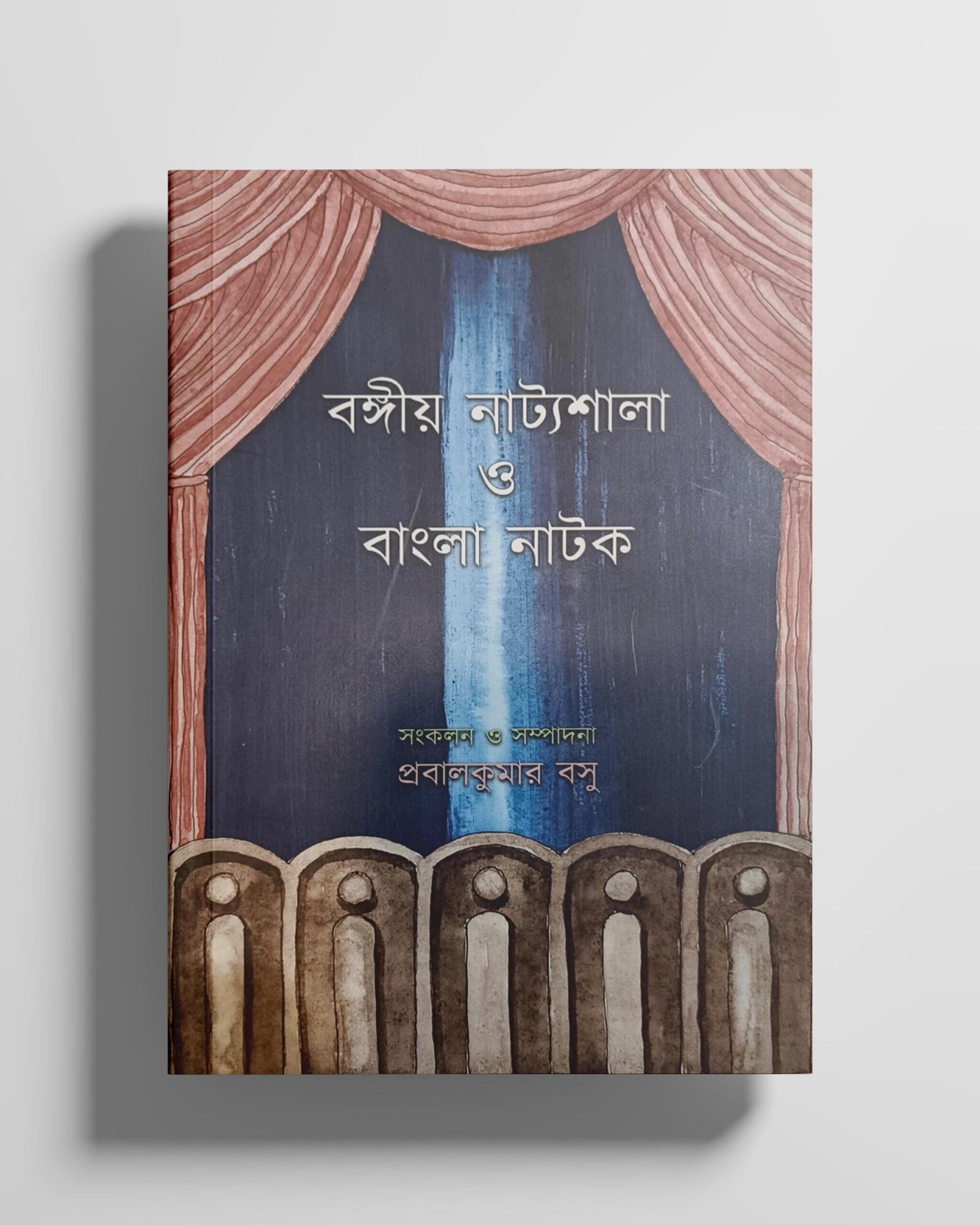
বঙ্গীয় নাট্যশালা ও বাংলা নাটক
Year of Publishing: 2025
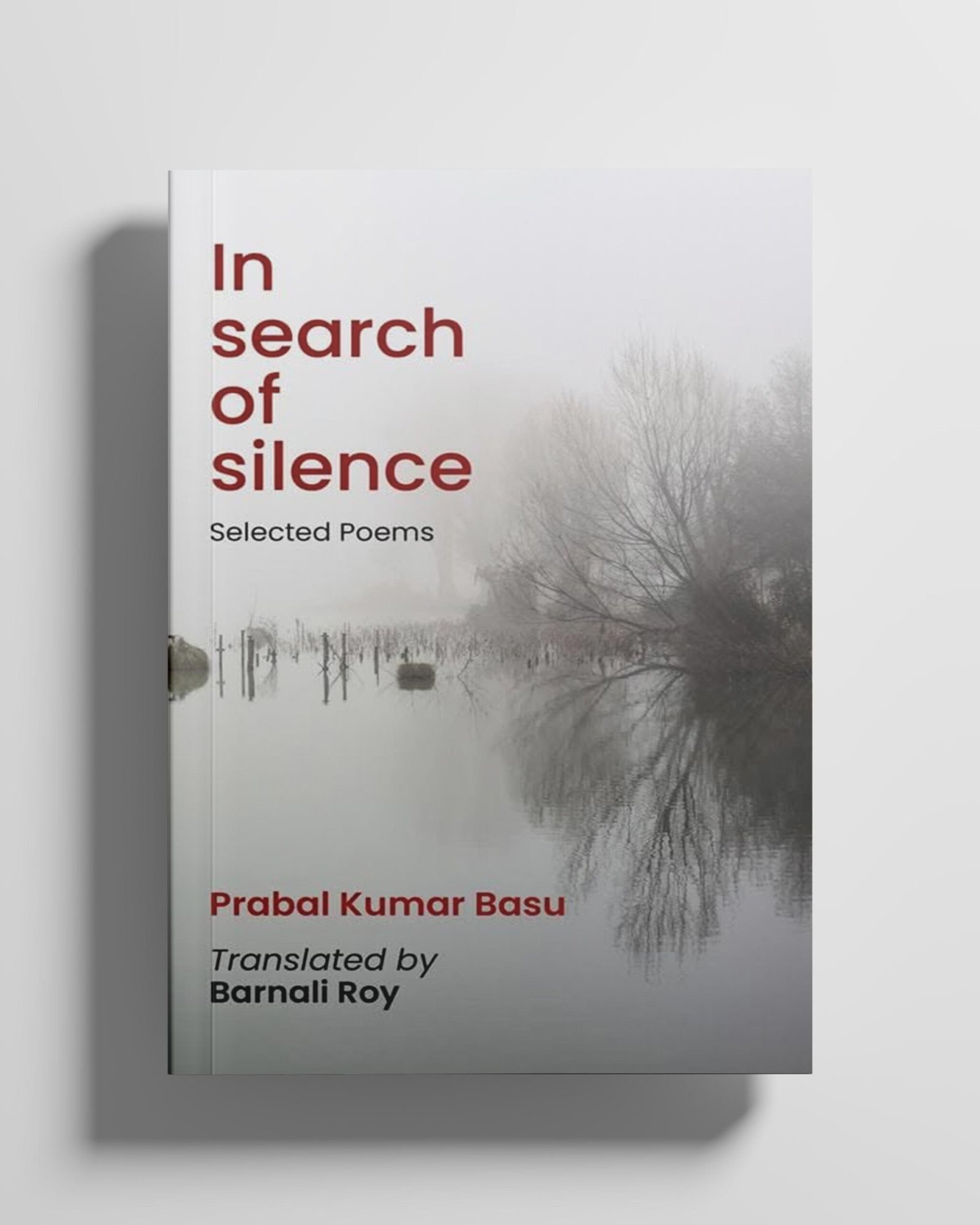
IN SEARCH OF SILENCE
Year of Publishing: 2024
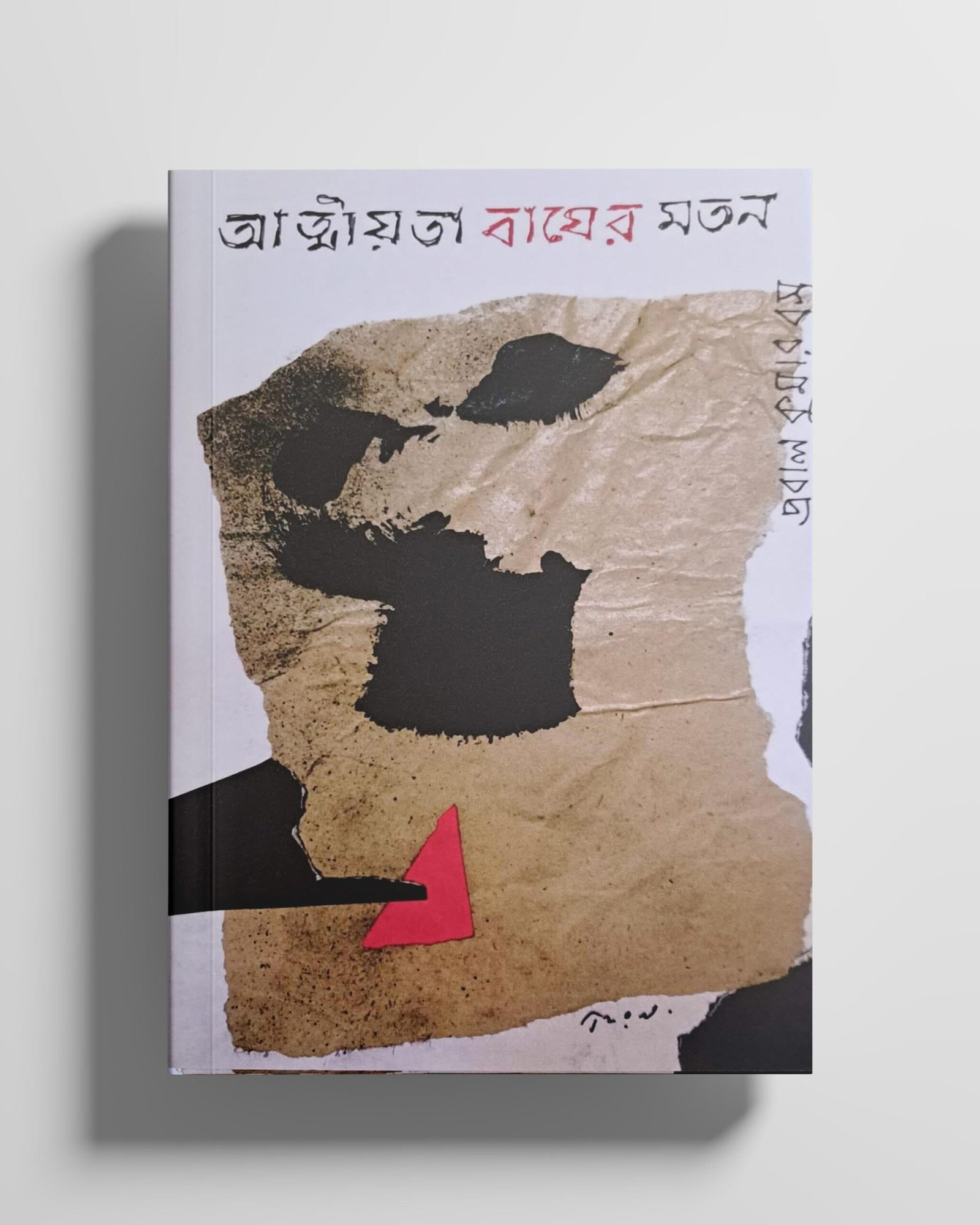
আত্মীয়তা বাঘের মতো
Year of Publishing: 2024
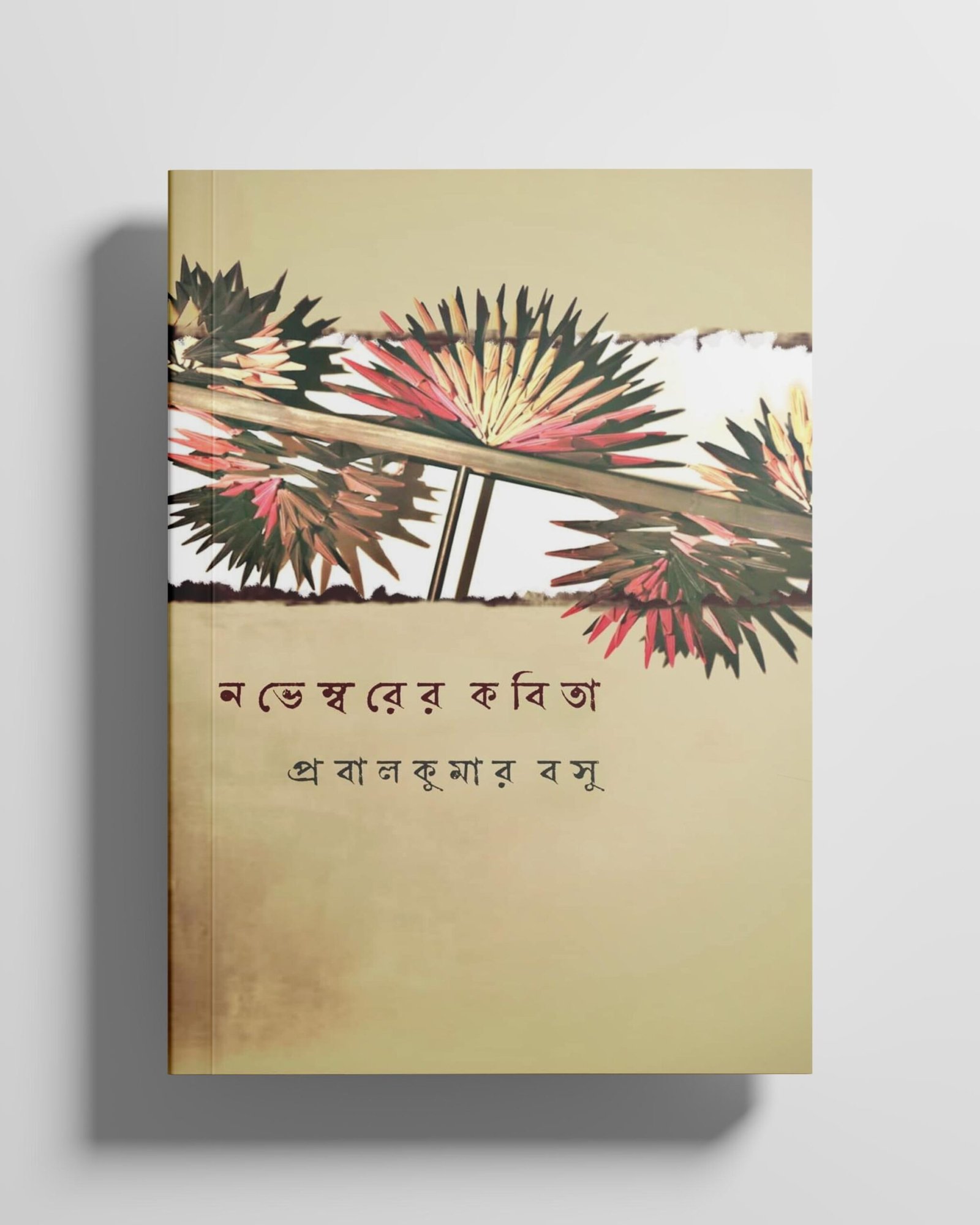
নভেম্বরের কবিতা
Year of Publishing: 2022
Poetry Books
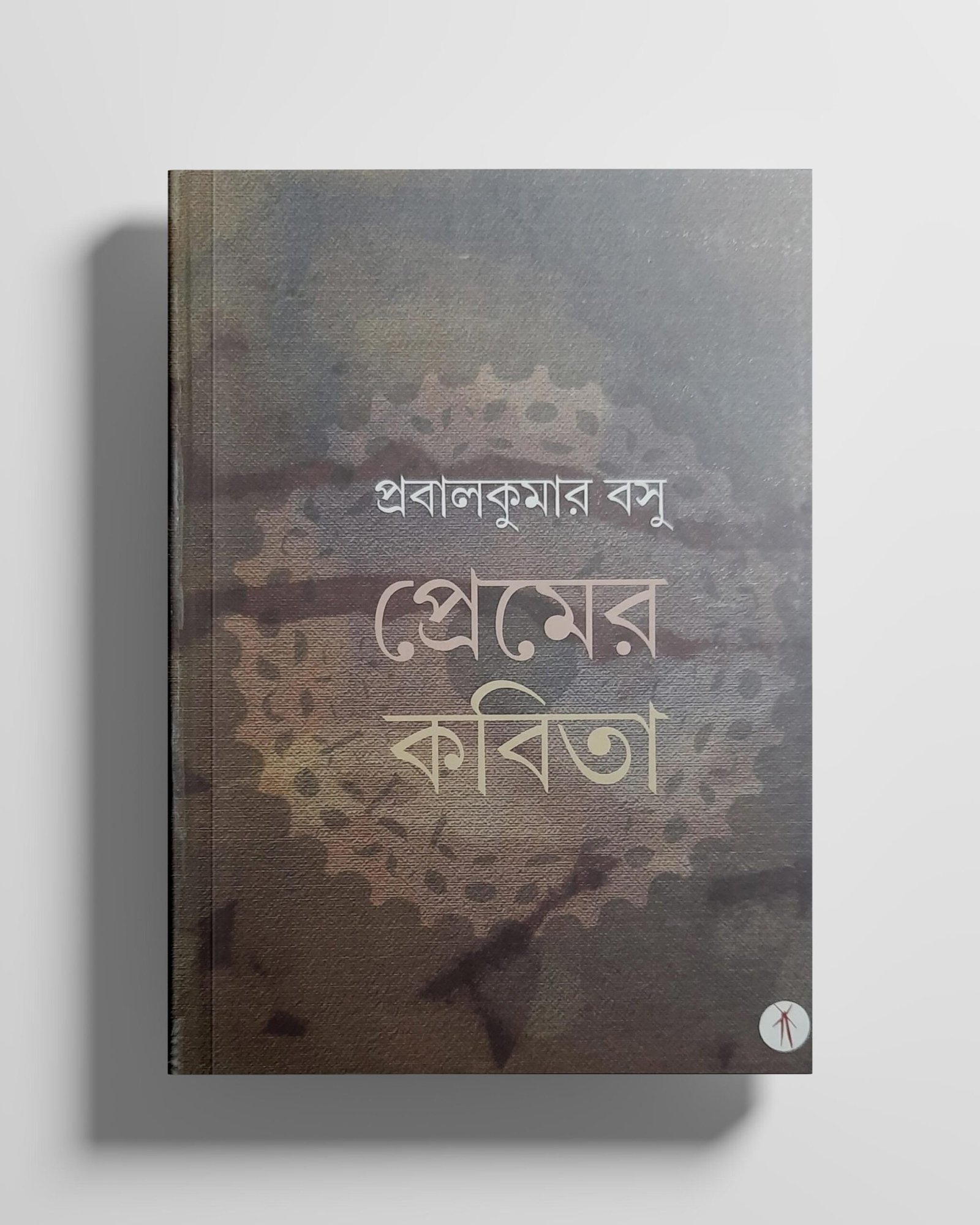
প্রেমের কবিতা
hawakal publisher
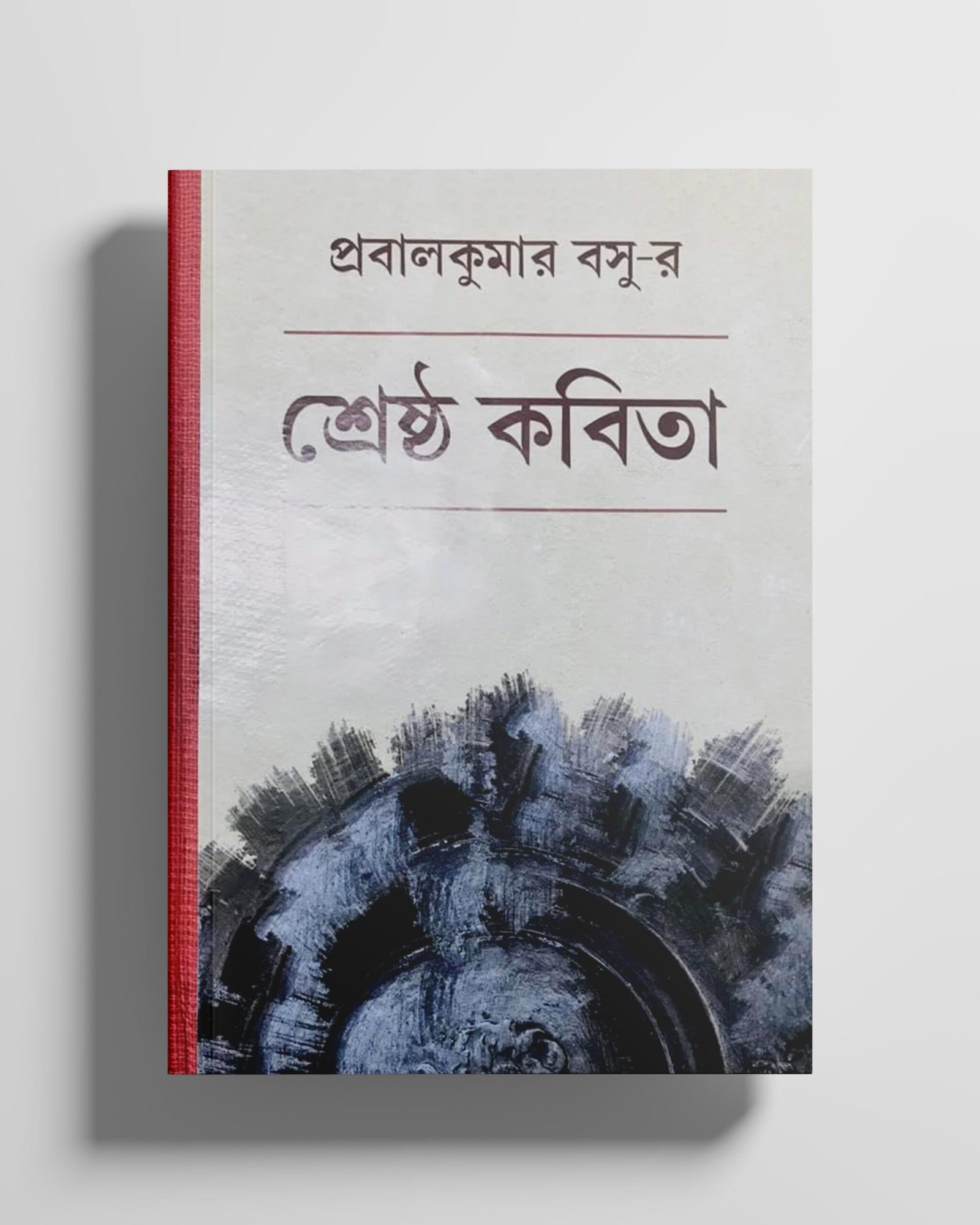
শ্রেষ্ঠ কবিতা
dey’s publisher
বকুল বামাপদ নিতাই আর আমি
karigar kriti publisher
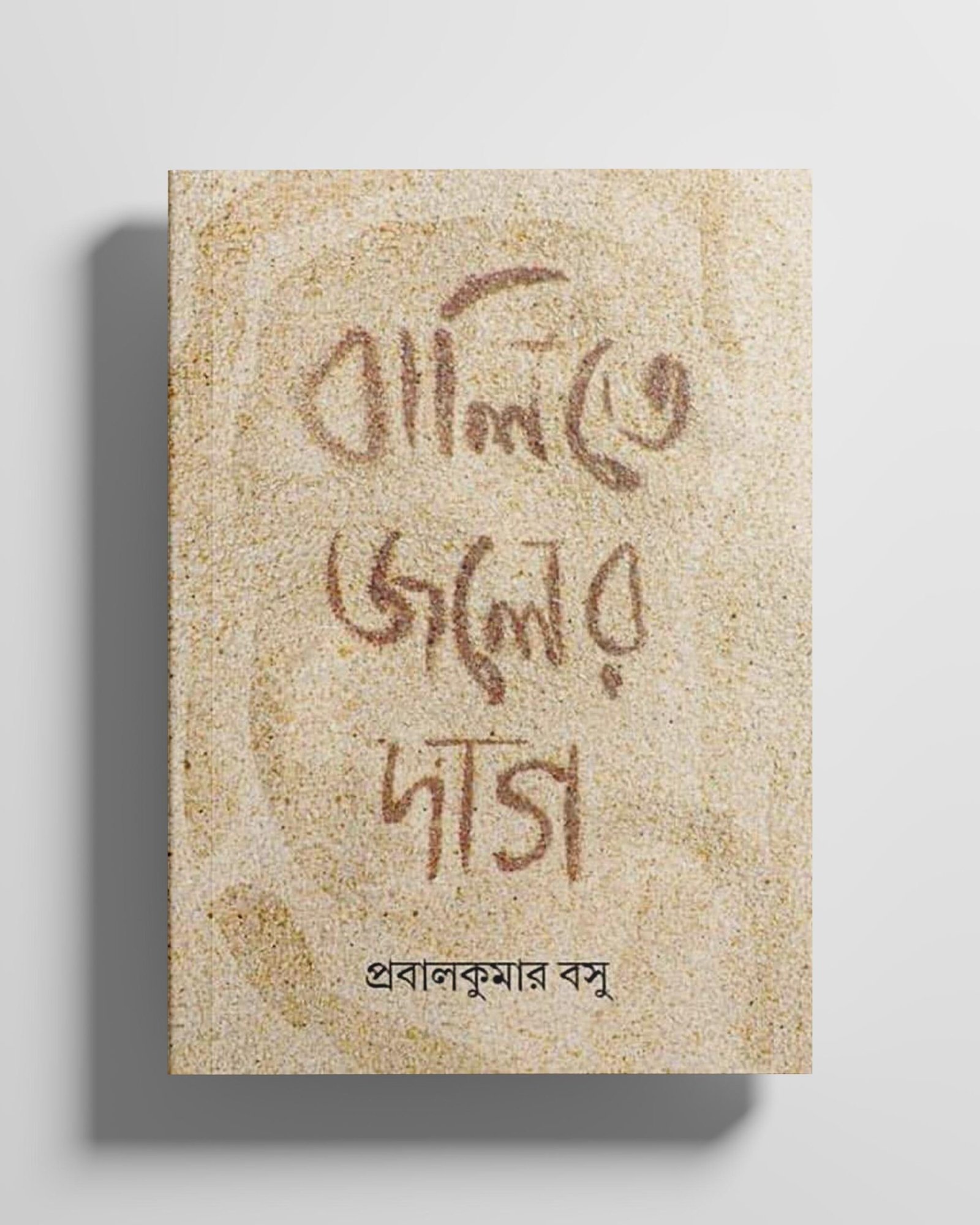
বালিতে জলের দাগ
signet press, 2019
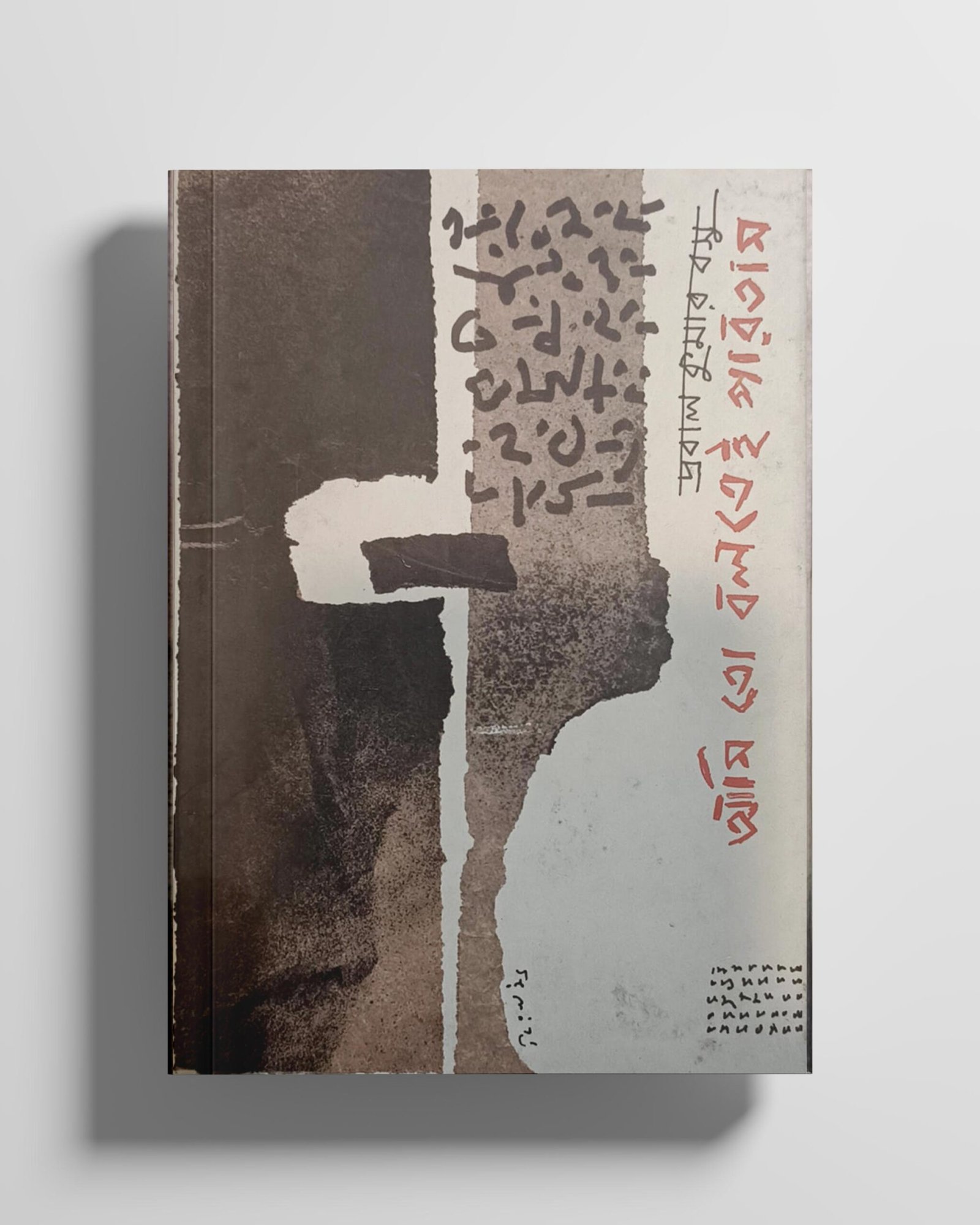
আমি তো বলতেই পারতাম
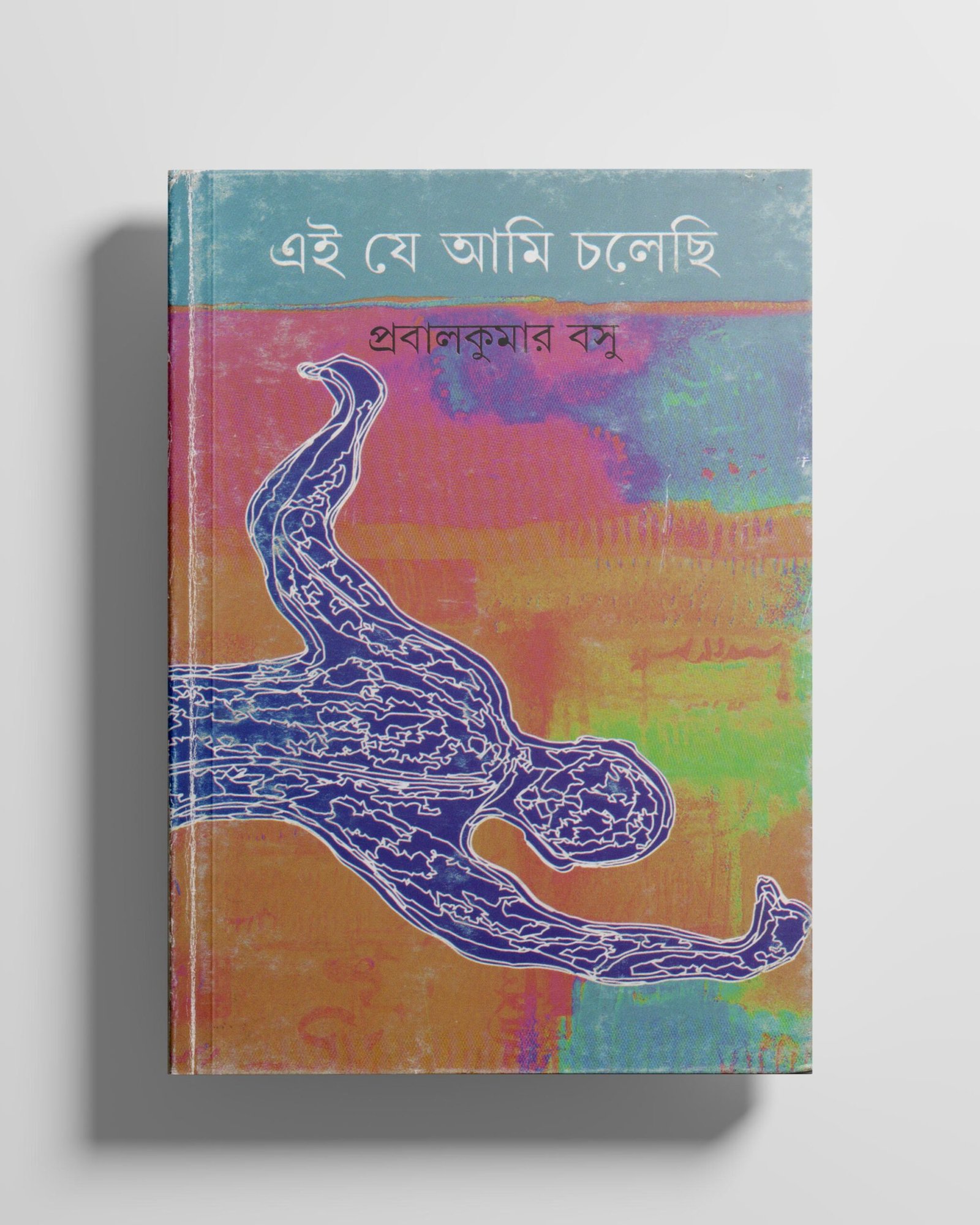
এই যে আমি চলেছি
signet press, 2015
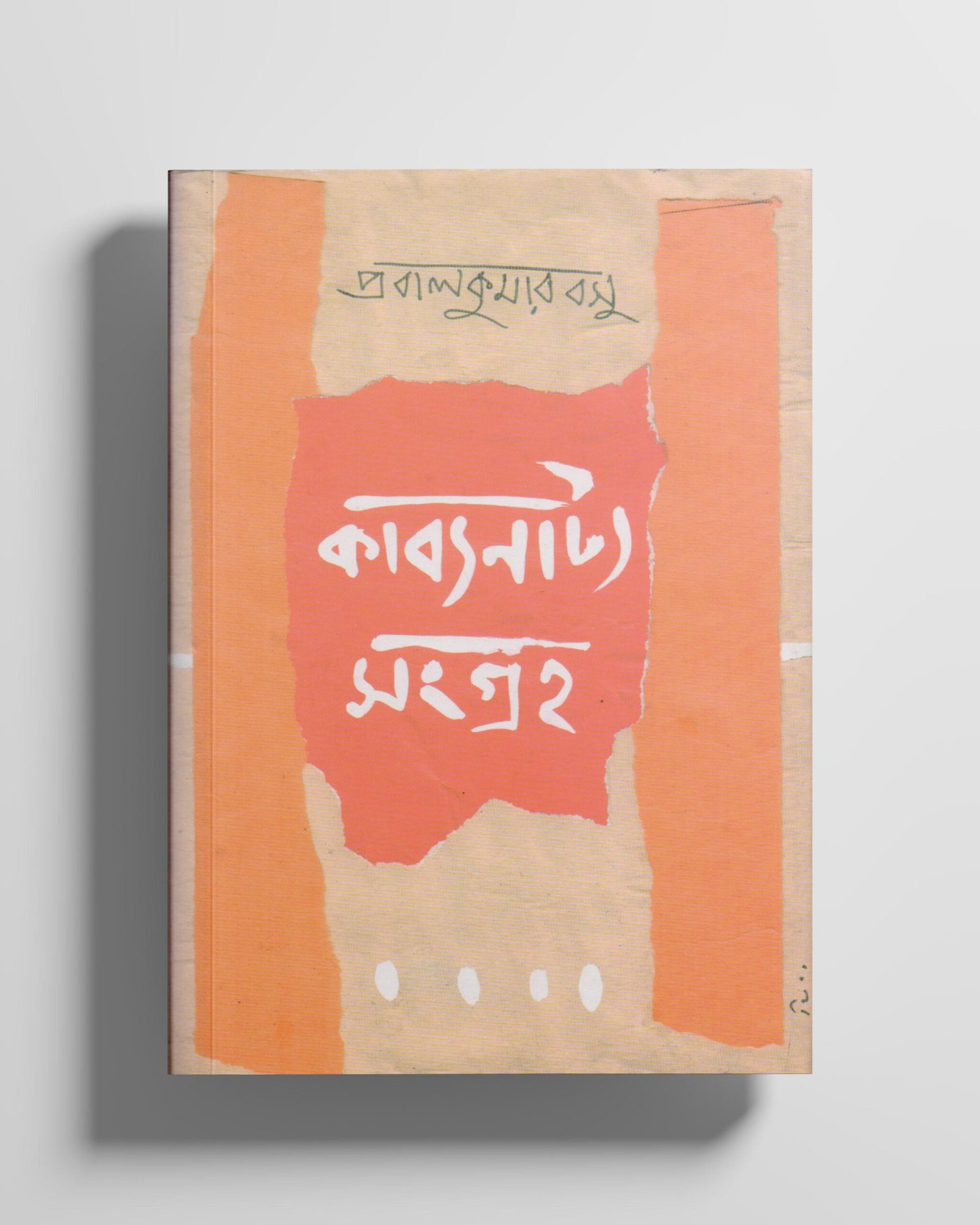
কাব্যনাট্য সংগ্রহ
collection of verse drama.
published by yapanchitra, 2013
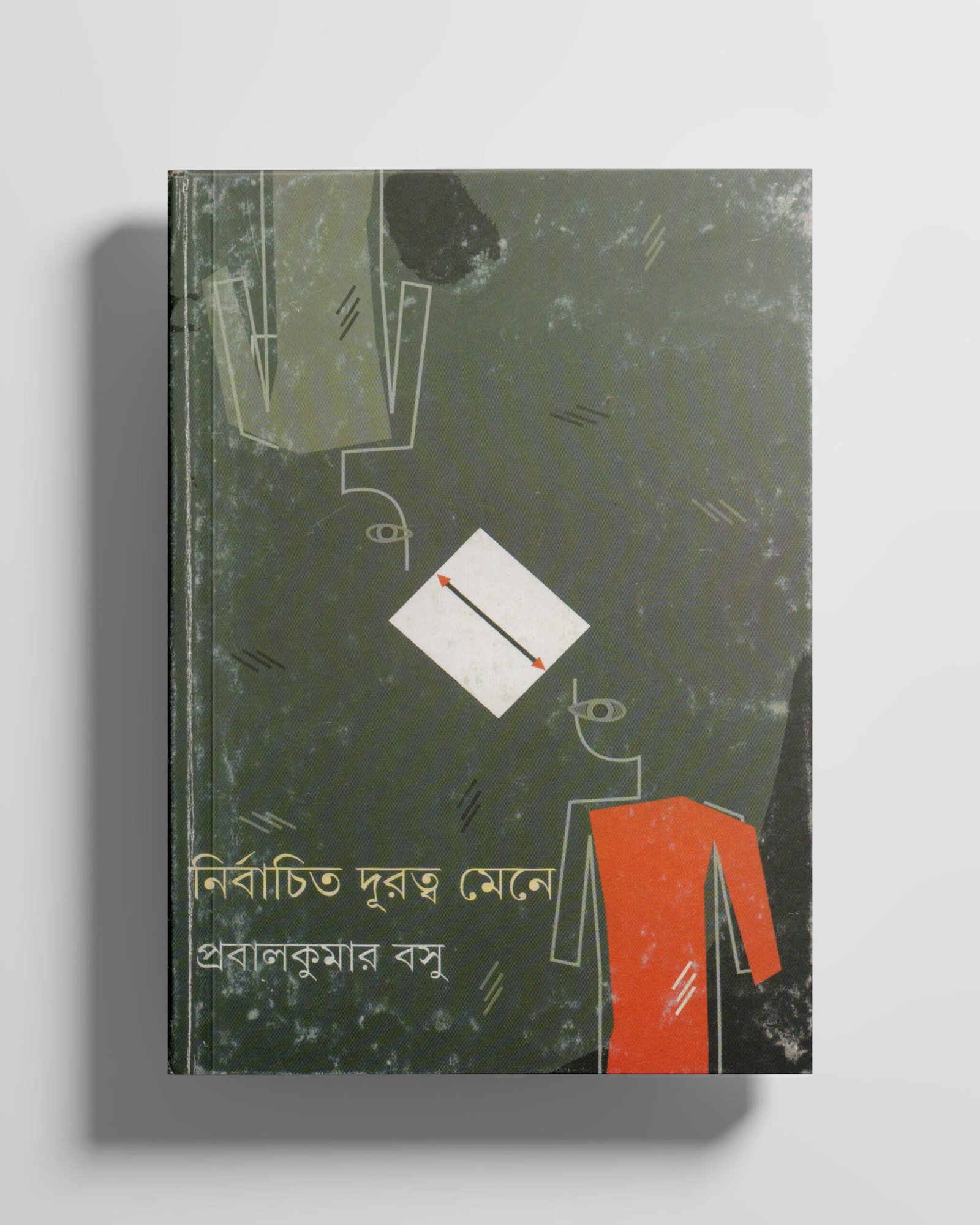
নির্বাচিত দূরত্ব মেনে
signet press, 2013
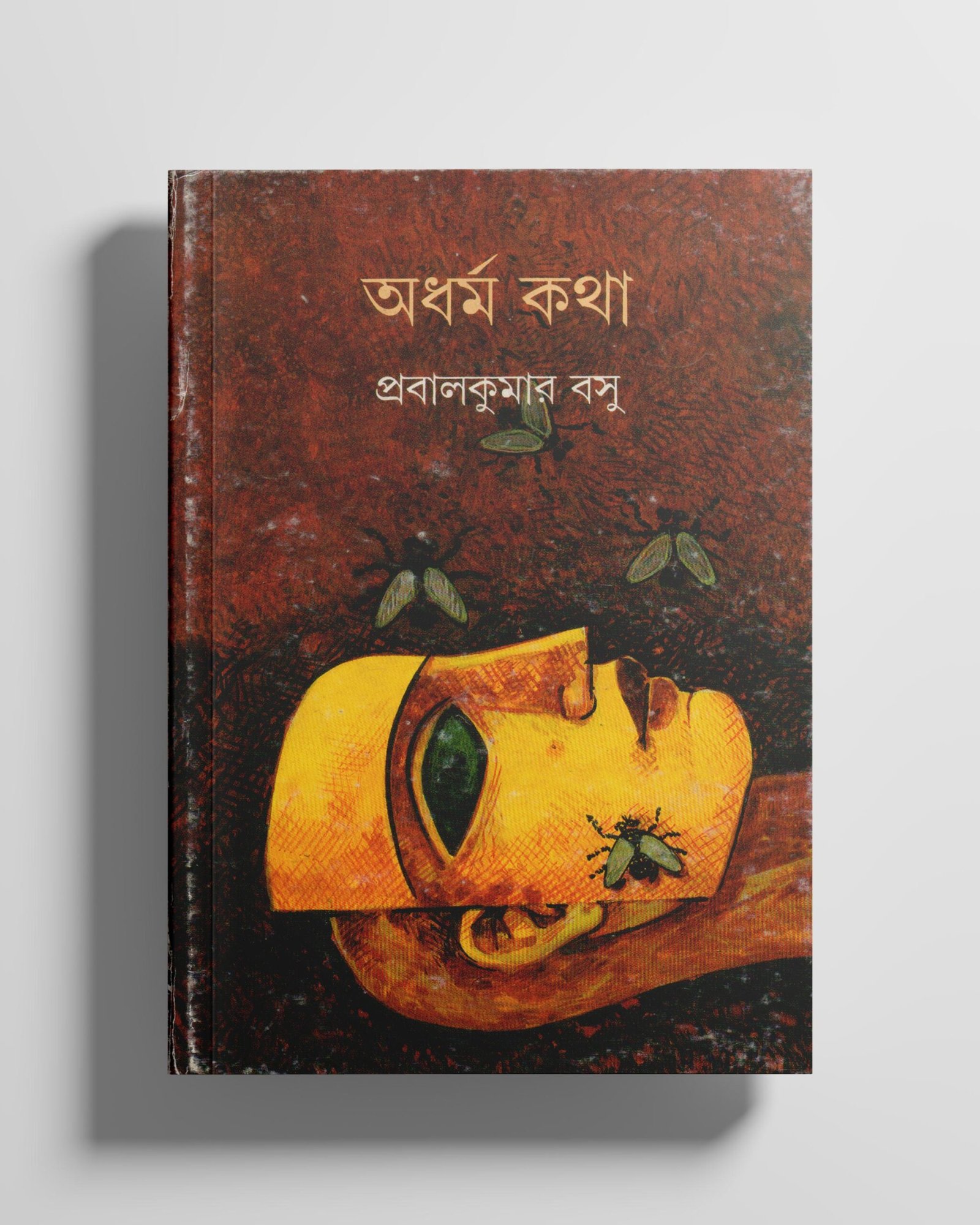
অধর্ম কথা
ananda publisher, 2009
ভালো বলতে শিখুন
yapanchitra, 2011
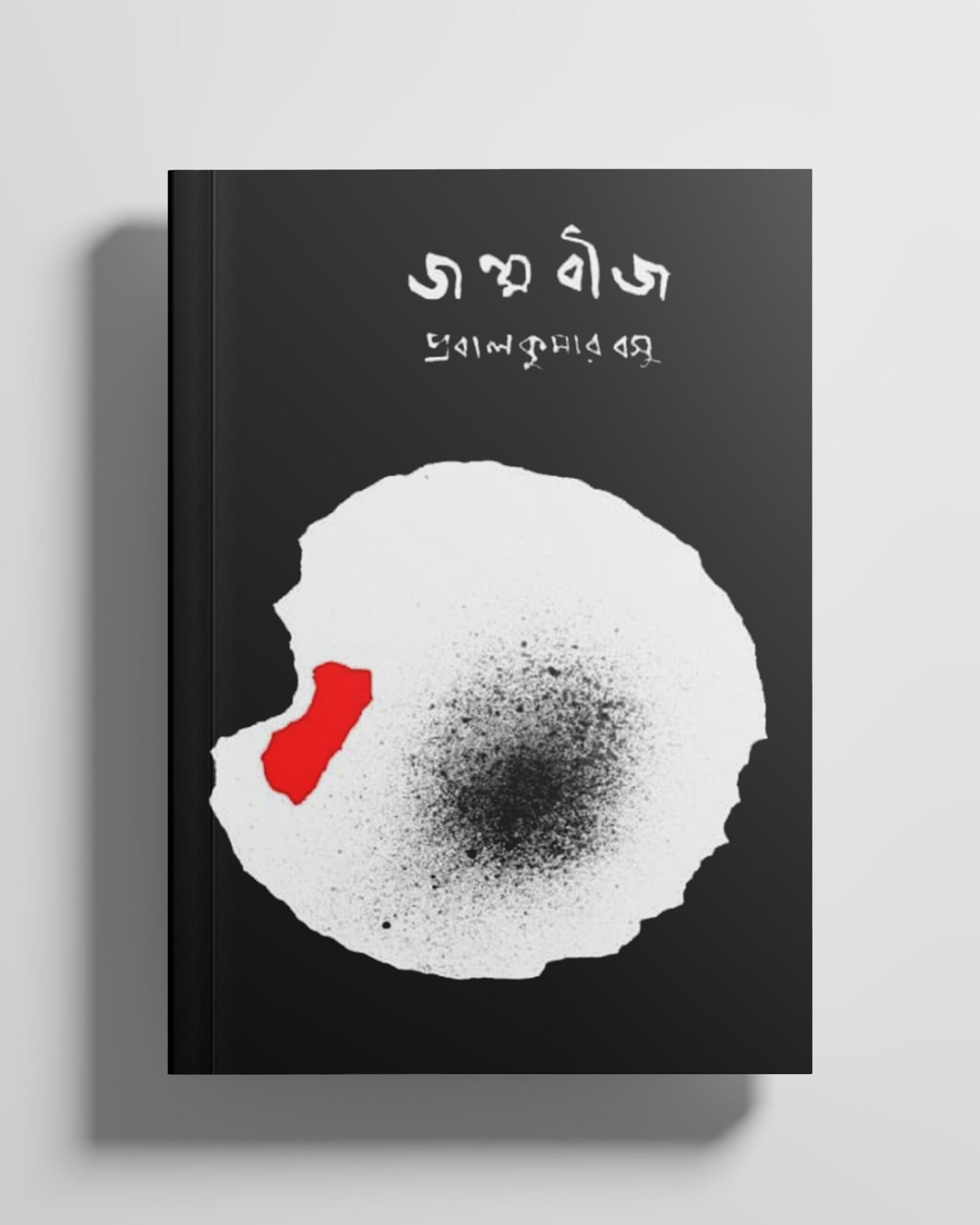
জন্মবীজ
yapanchitra (3rd edition), 2010
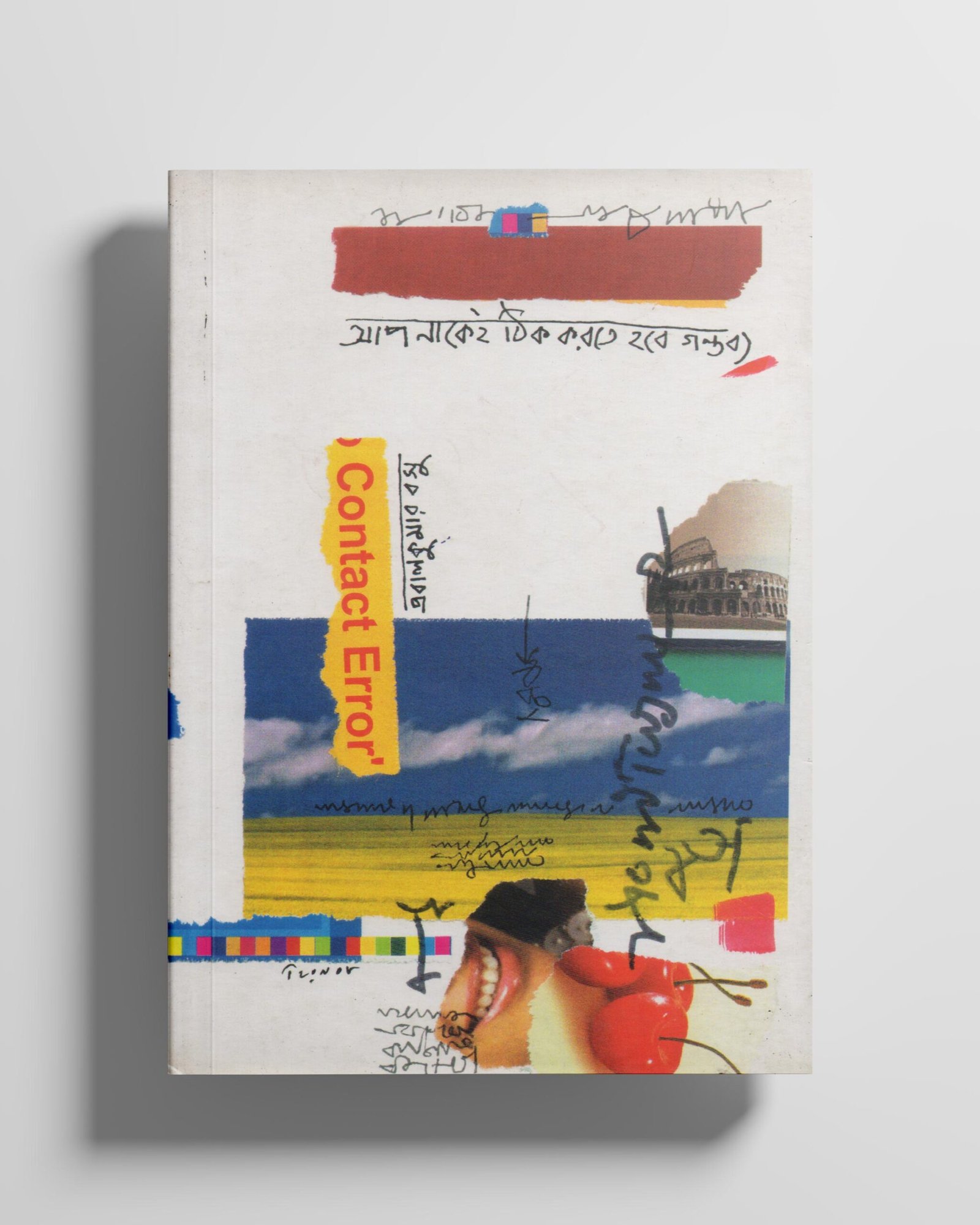
আপনাকেই ঠিক করতে হবে গন্তব্য
yapanchitra, 2008
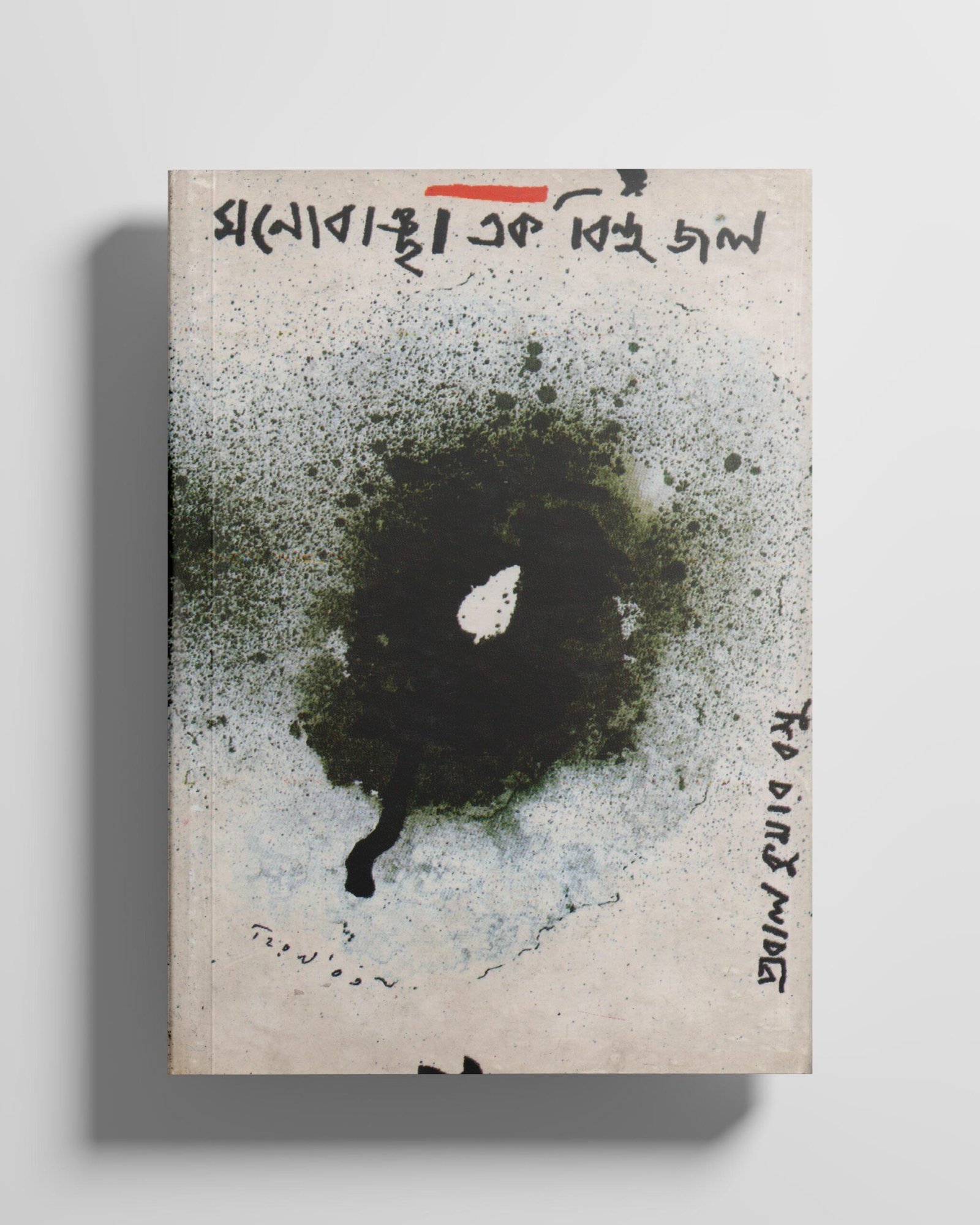
মনোবাঞ্ছা এক বিন্দু জল
pratibhas, 2004
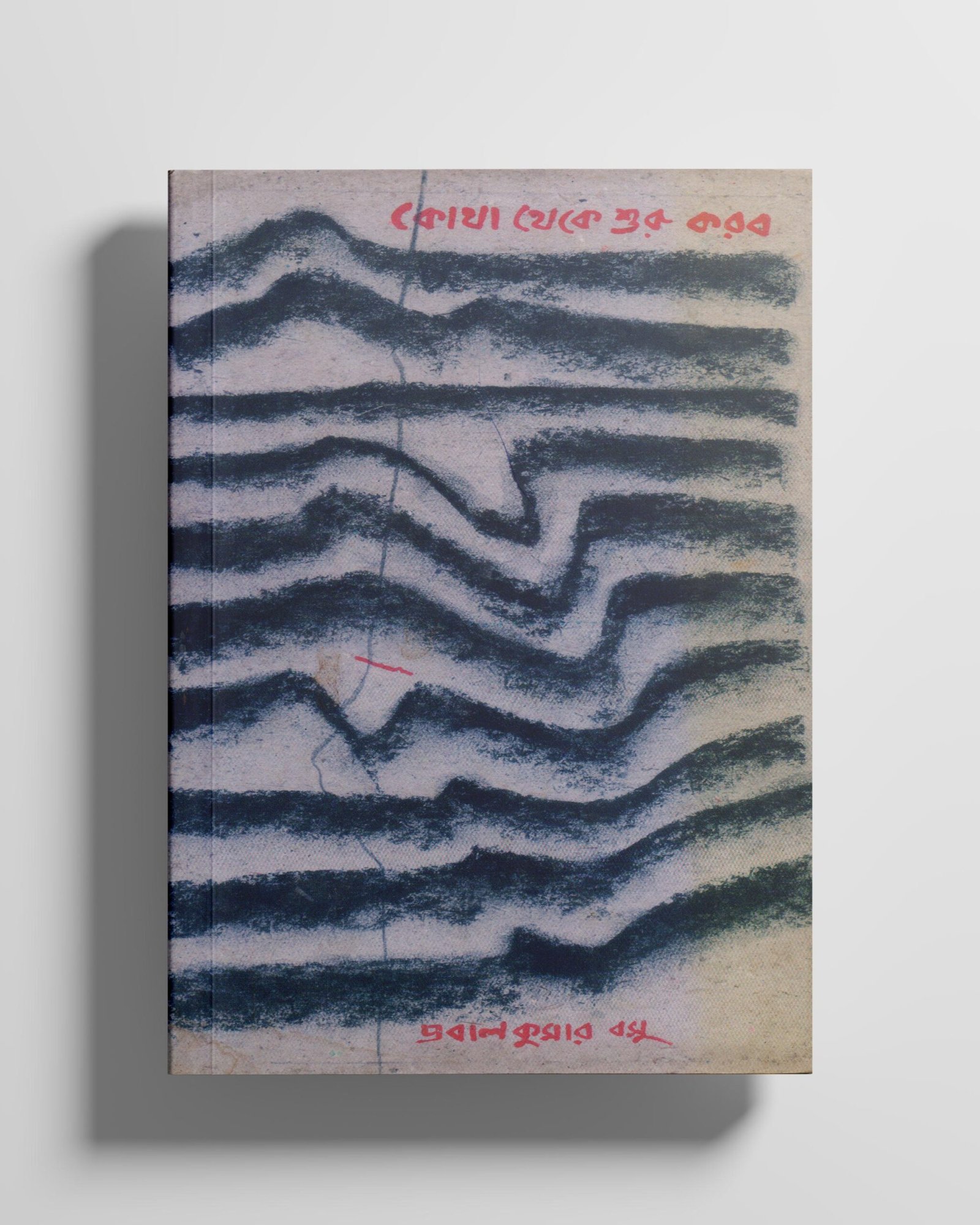
কোথা থেকে শুরু করব
patralekha, 2005
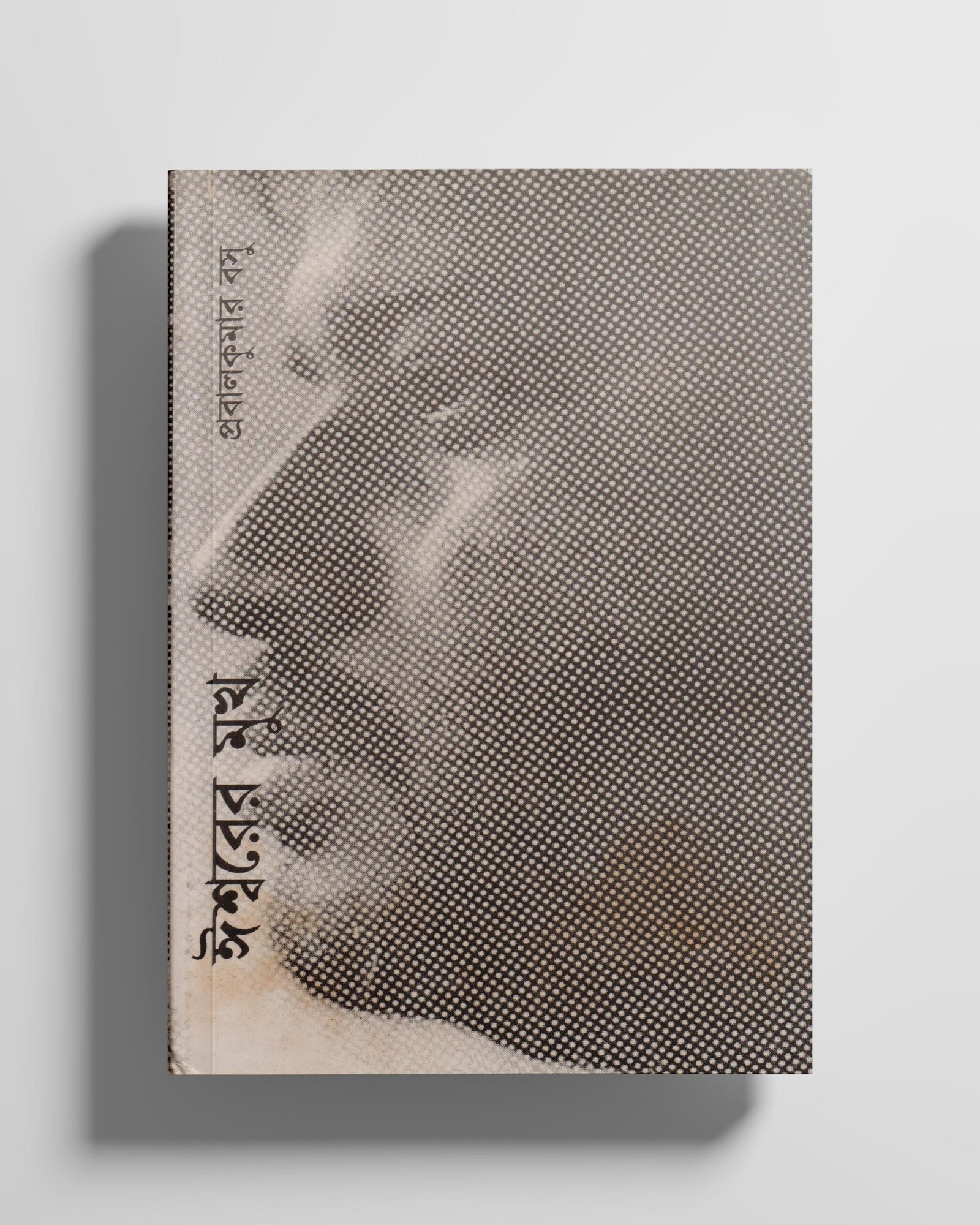
ঈশ্বরের মুখ
pragna publishing, 1998
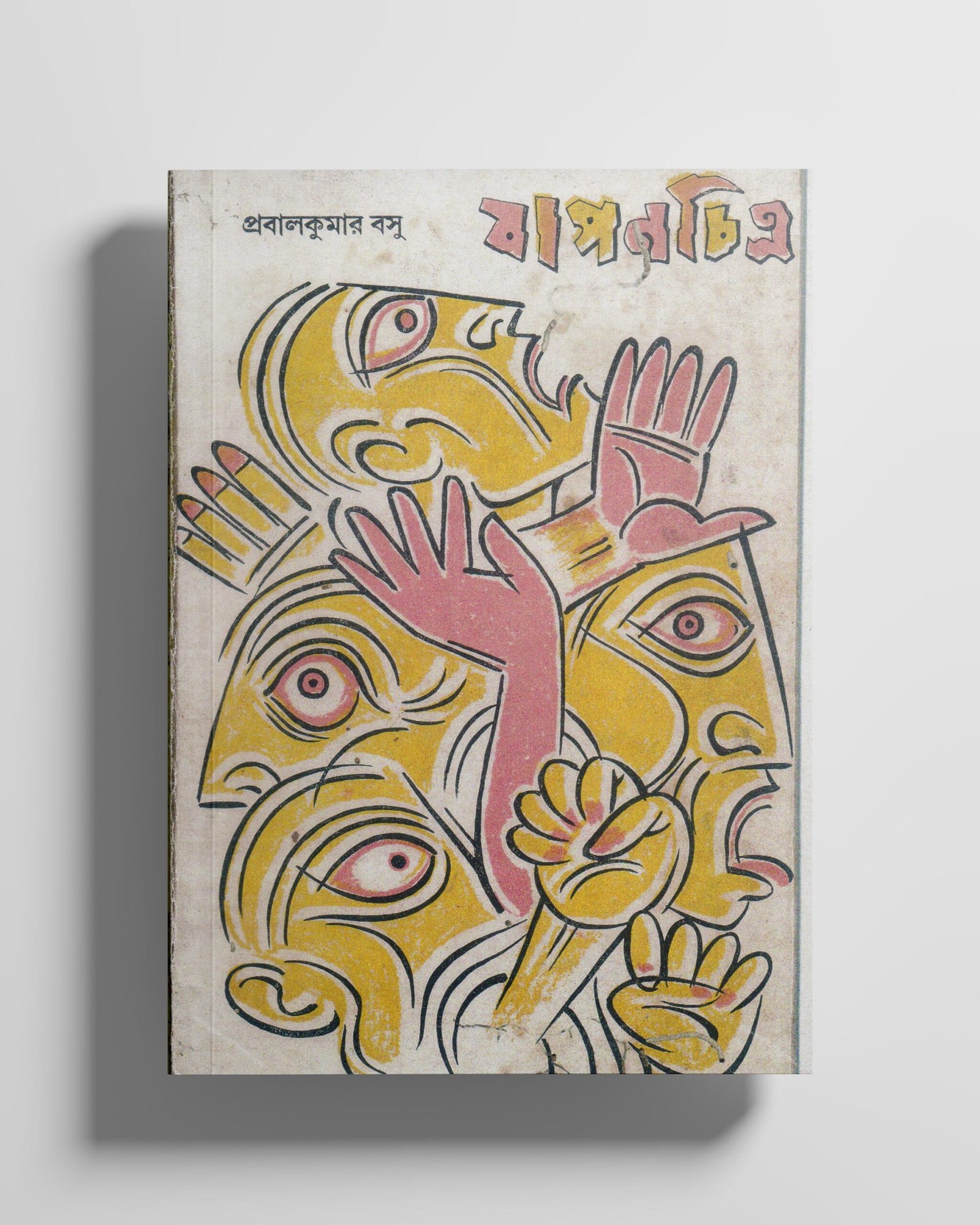
যাপনচিত্র
promaa publication, 1994
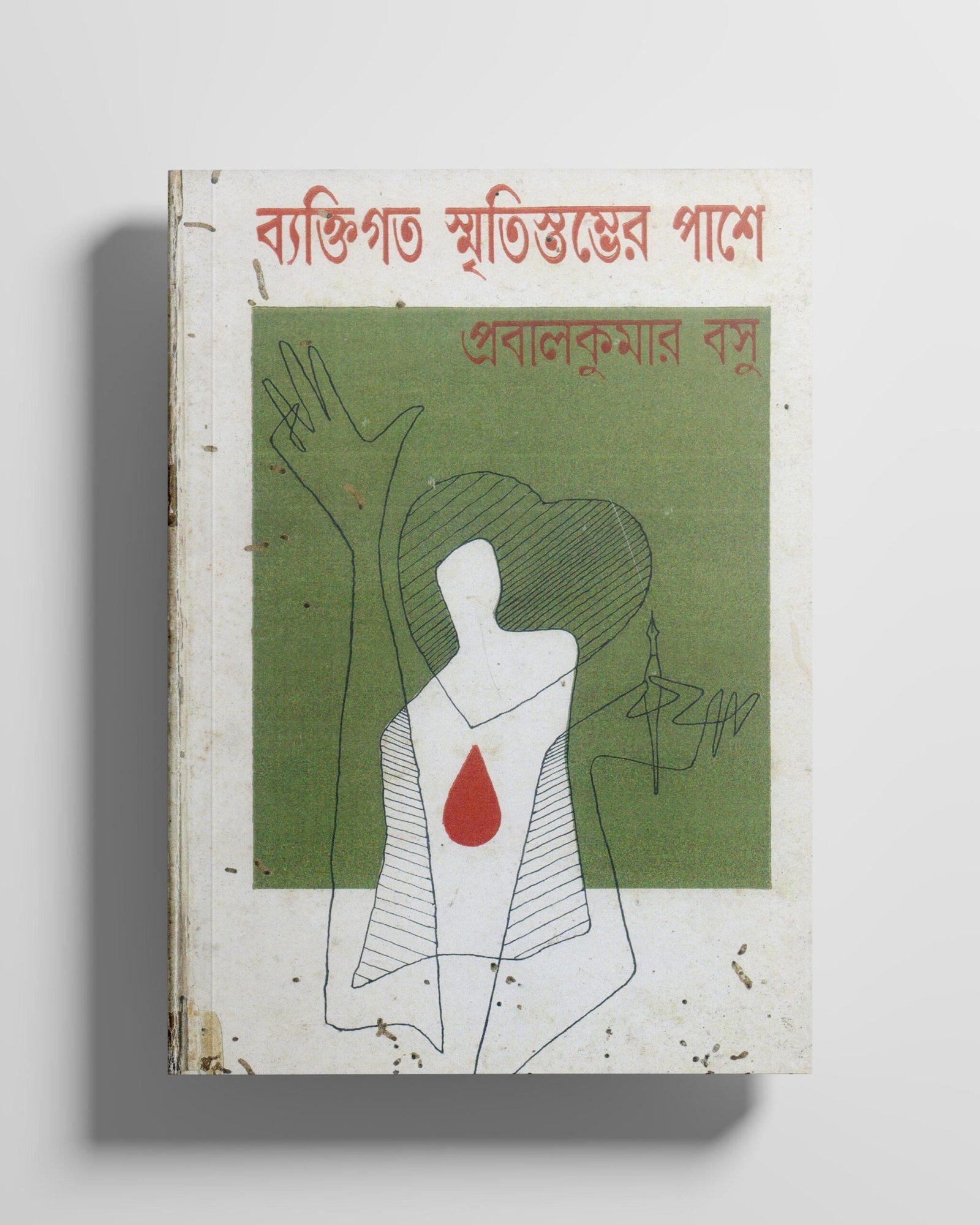
ব্যক্তিগত স্মৃতিস্তম্ভের পাশে
yapanchitra, 1987
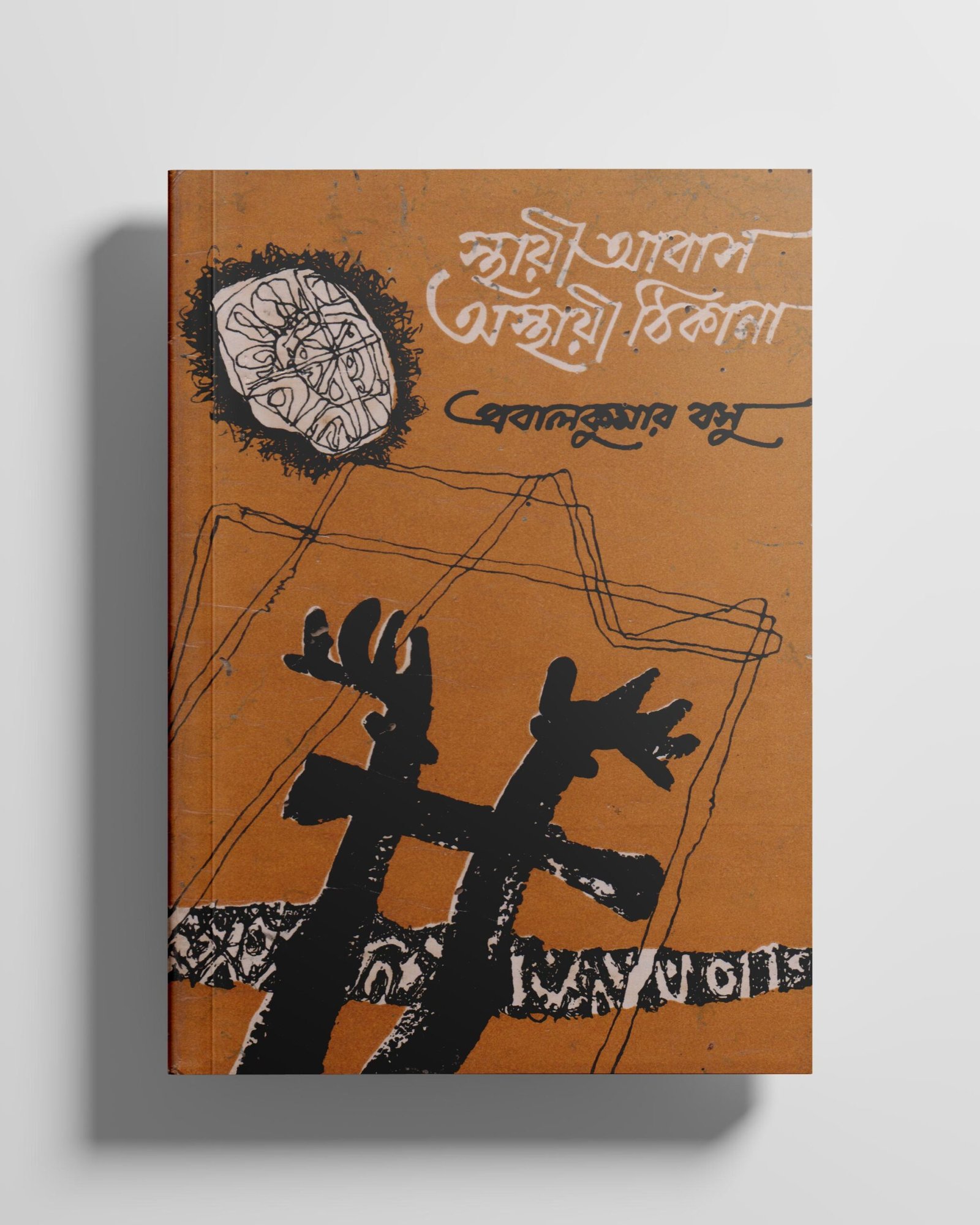
স্থায়ী আবাস অস্থায়ী ঠিকানা
karuna prakashani. 1989
তুমিই প্রথম
জন্মবীজ
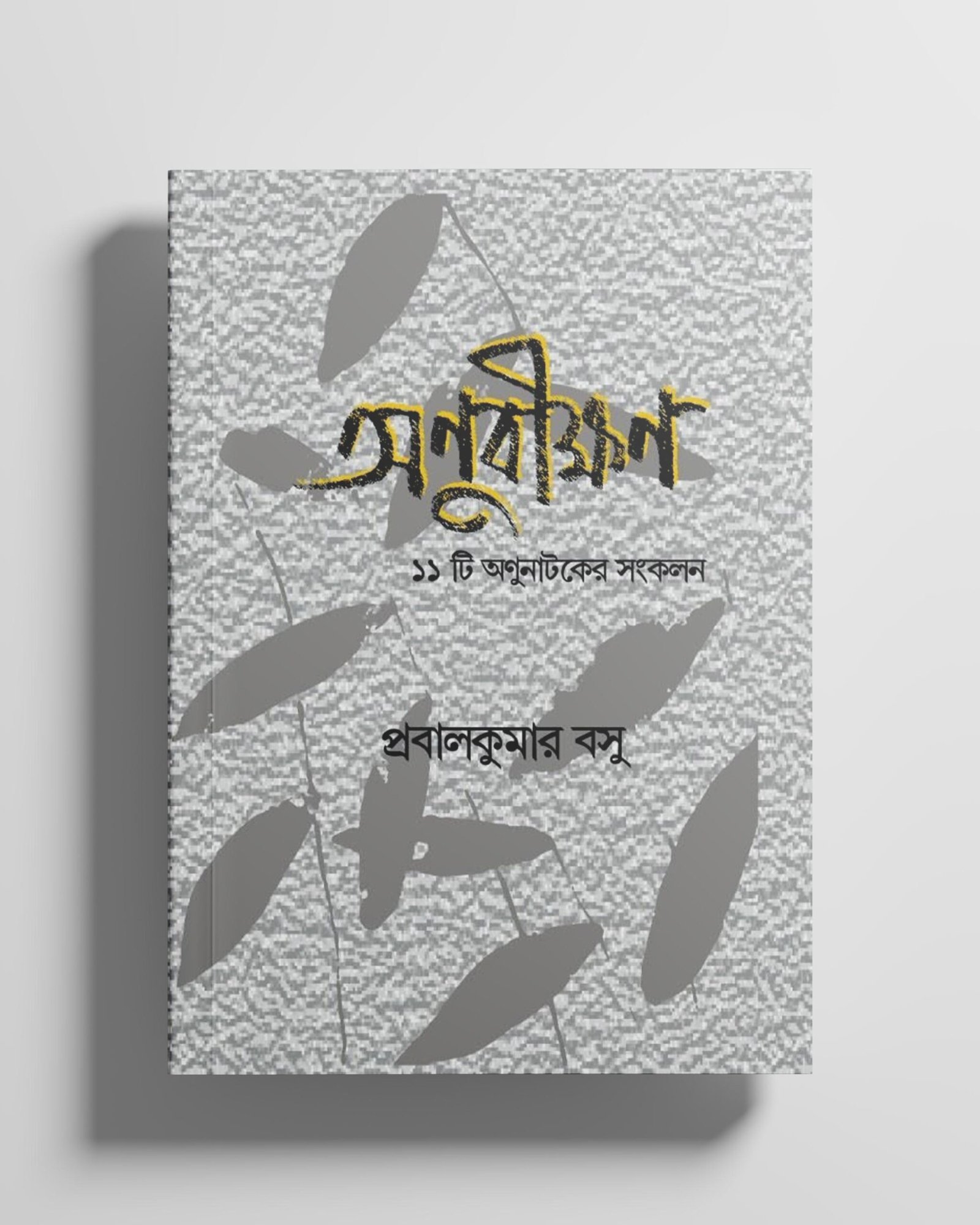
অণুবীক্ষণ
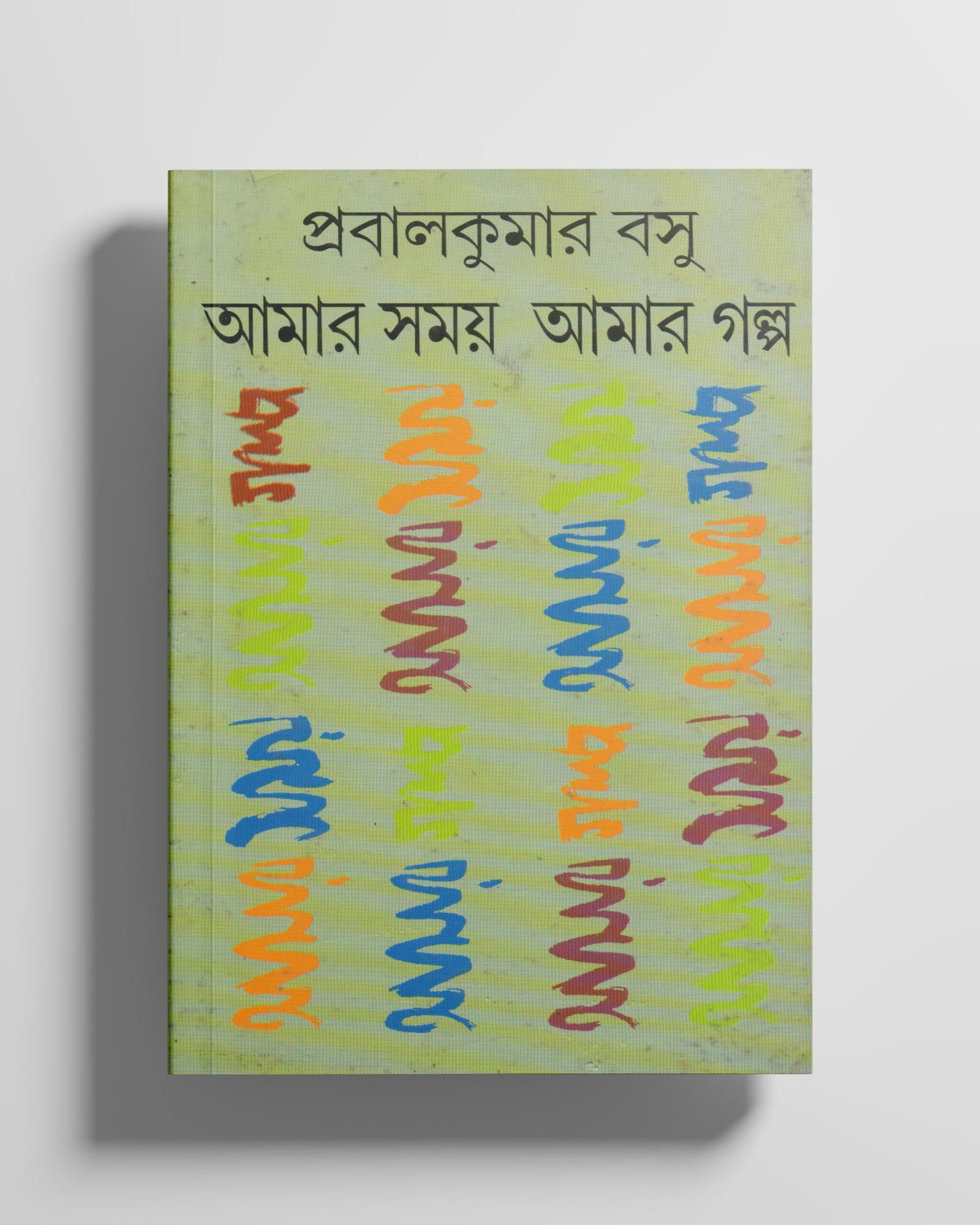
আমার সময় আমার গল্প
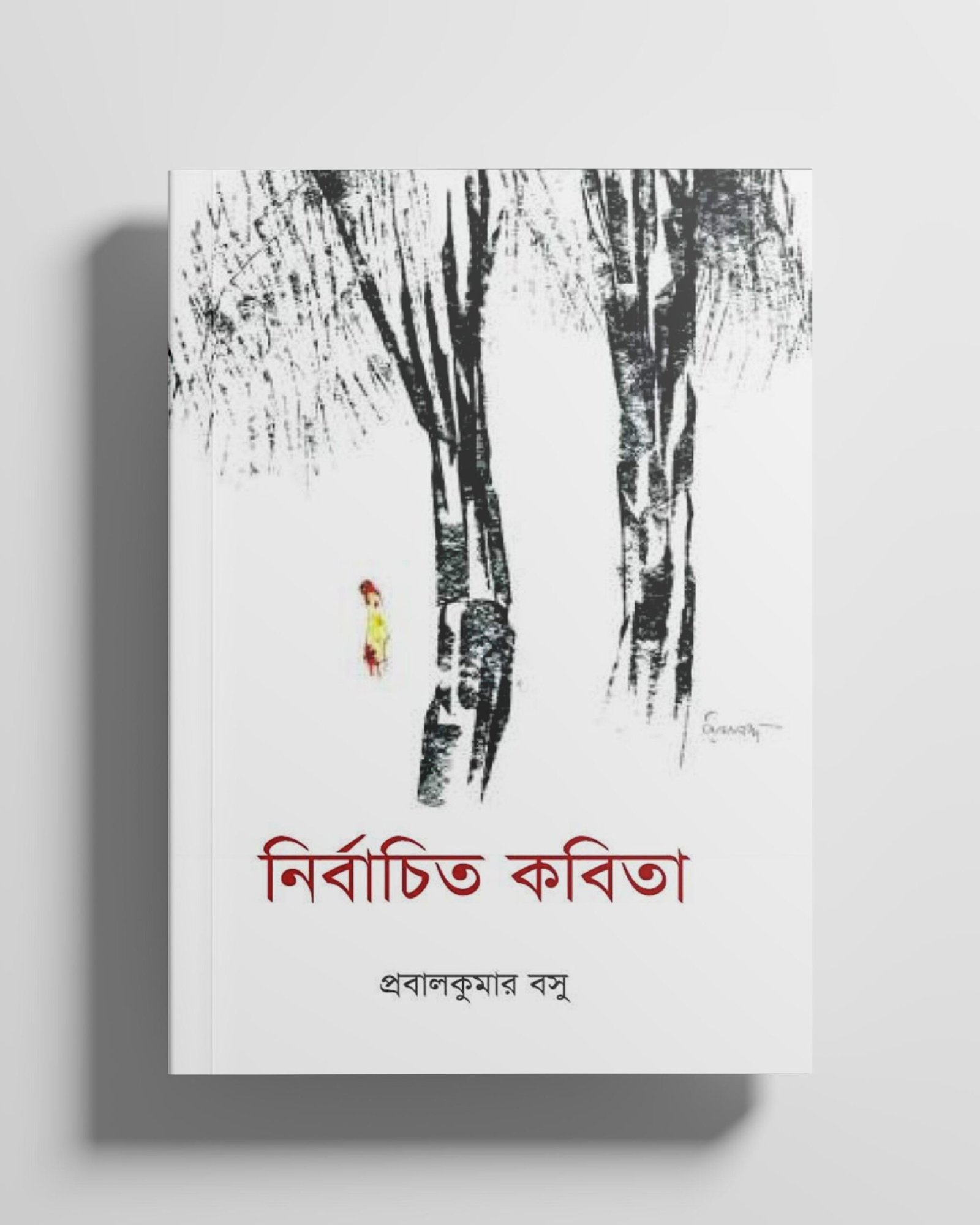
নির্বাচিত কবিতা
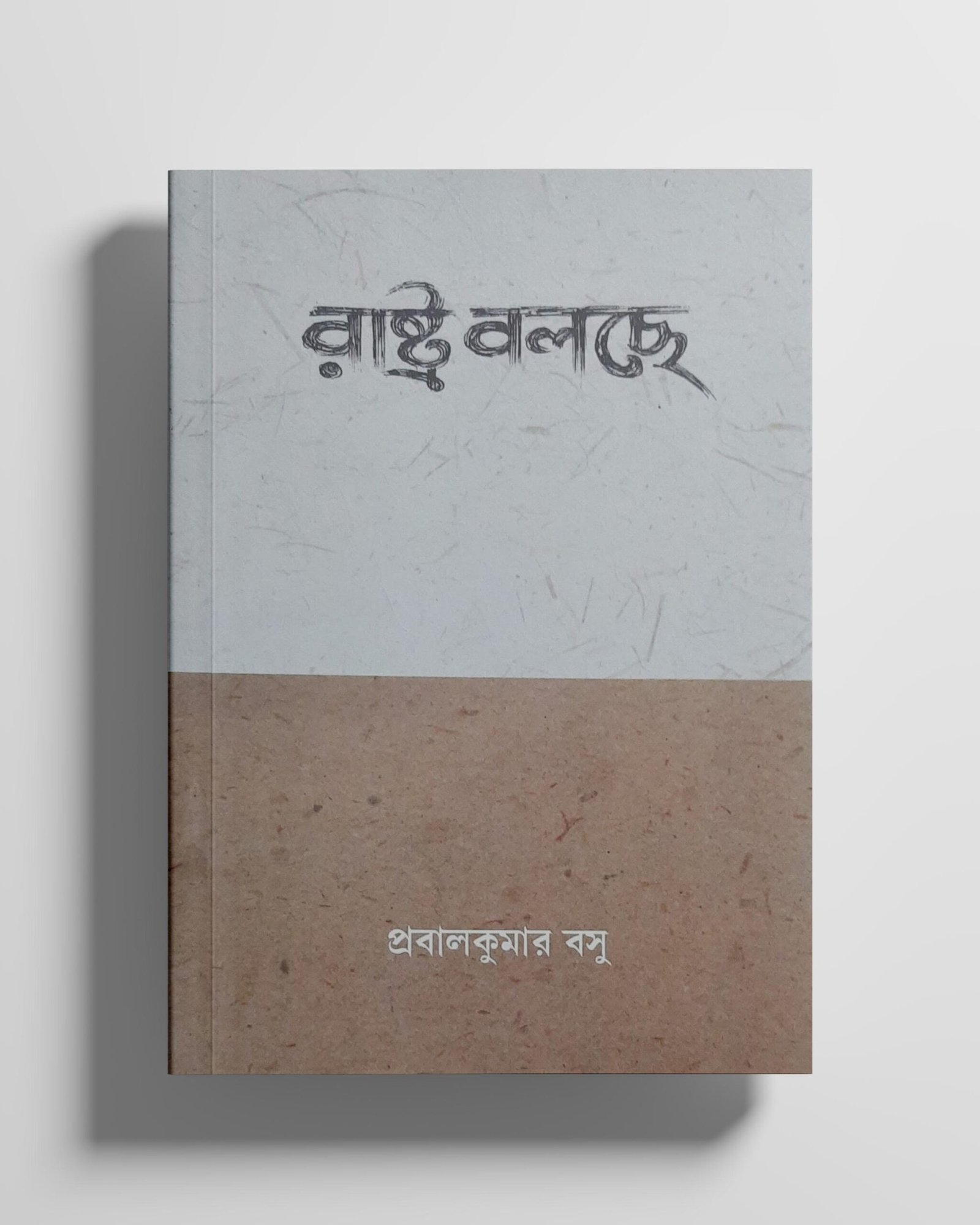
রাষ্ট্র বলছে
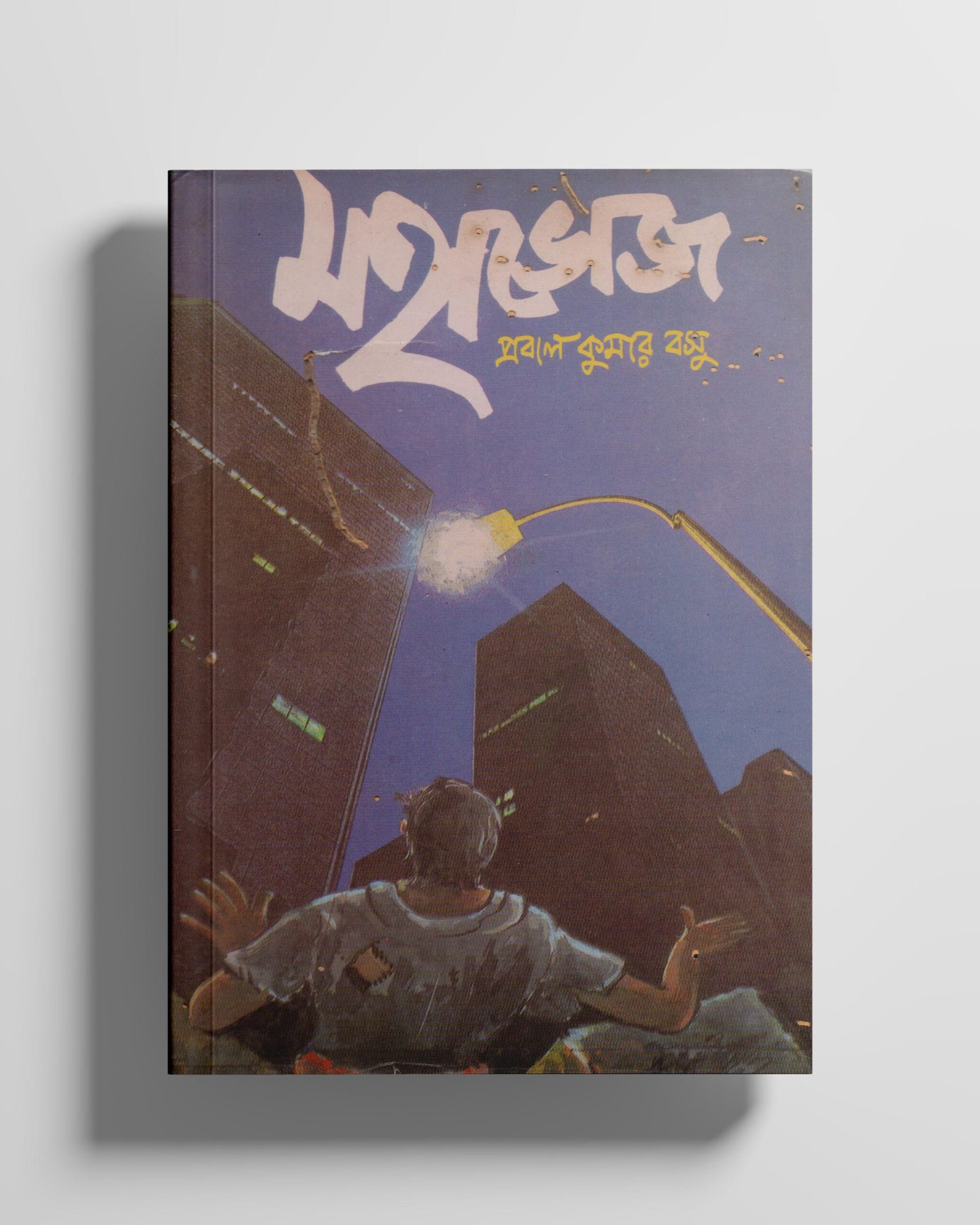
মহাভোজ
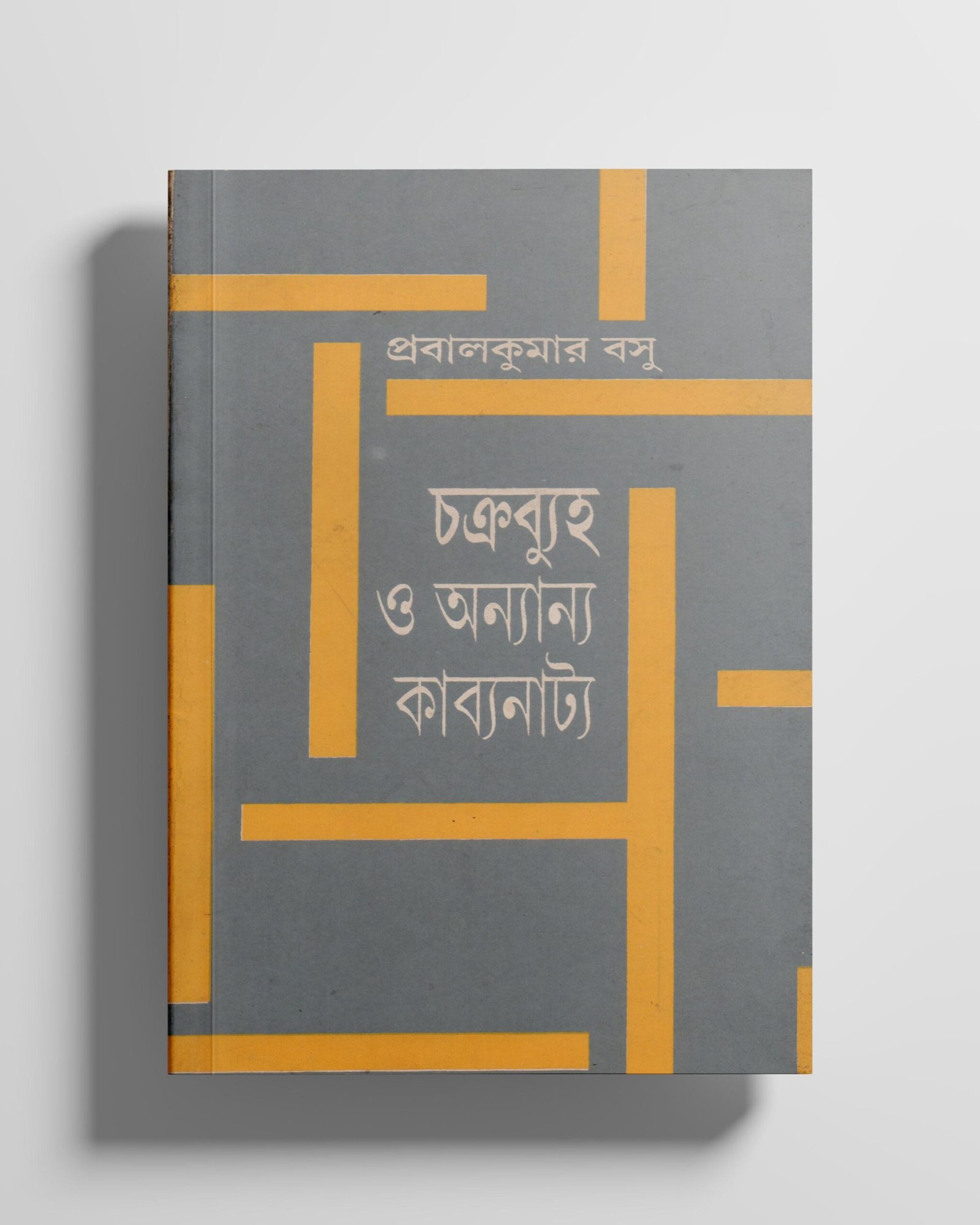
চক্রব্যুহ ও অন্যান্য কাব্যনাট্য
Edited & Translated Books
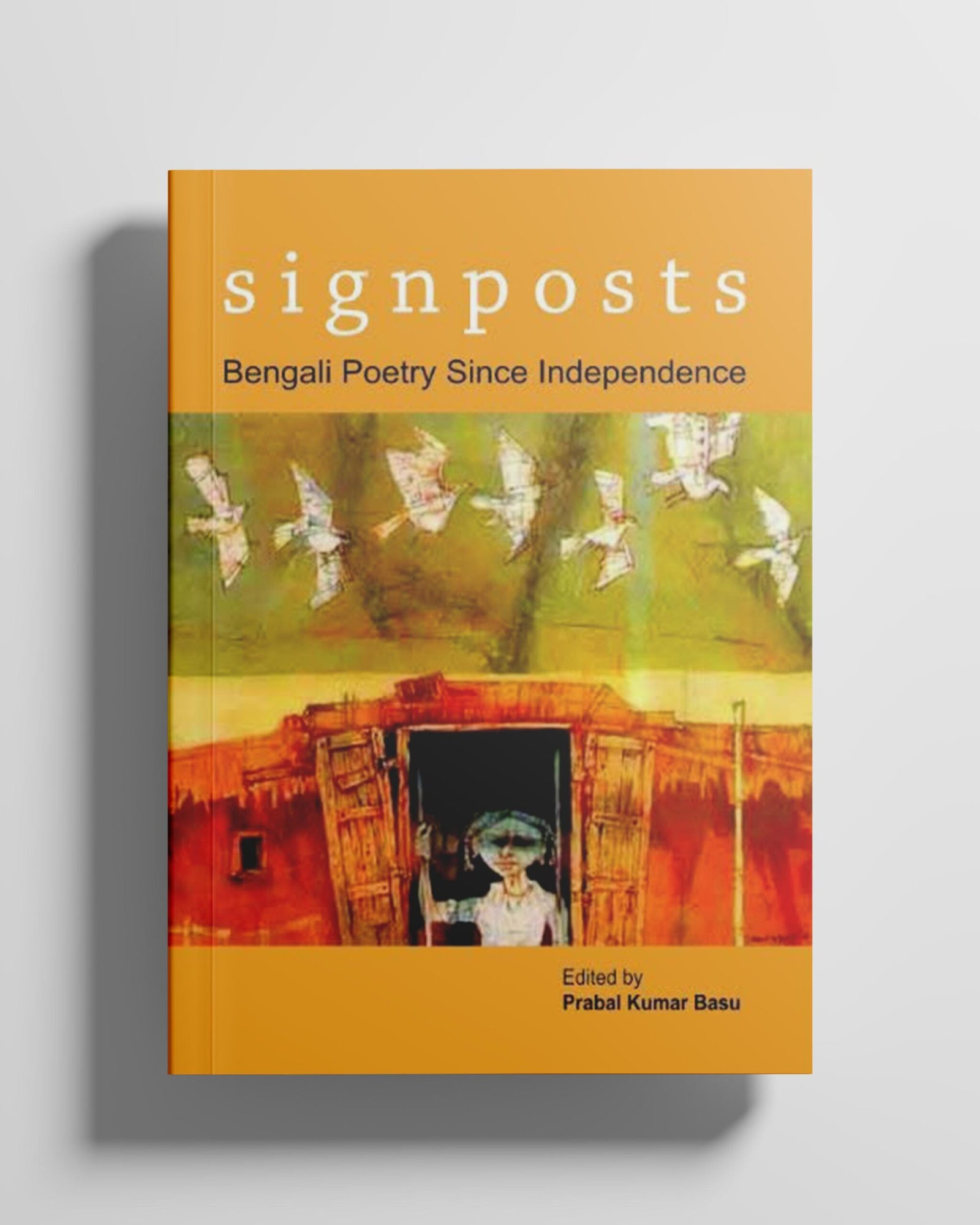
SIGNPOSTS
edited by prabal kumar basu, lotus book publication, 2019
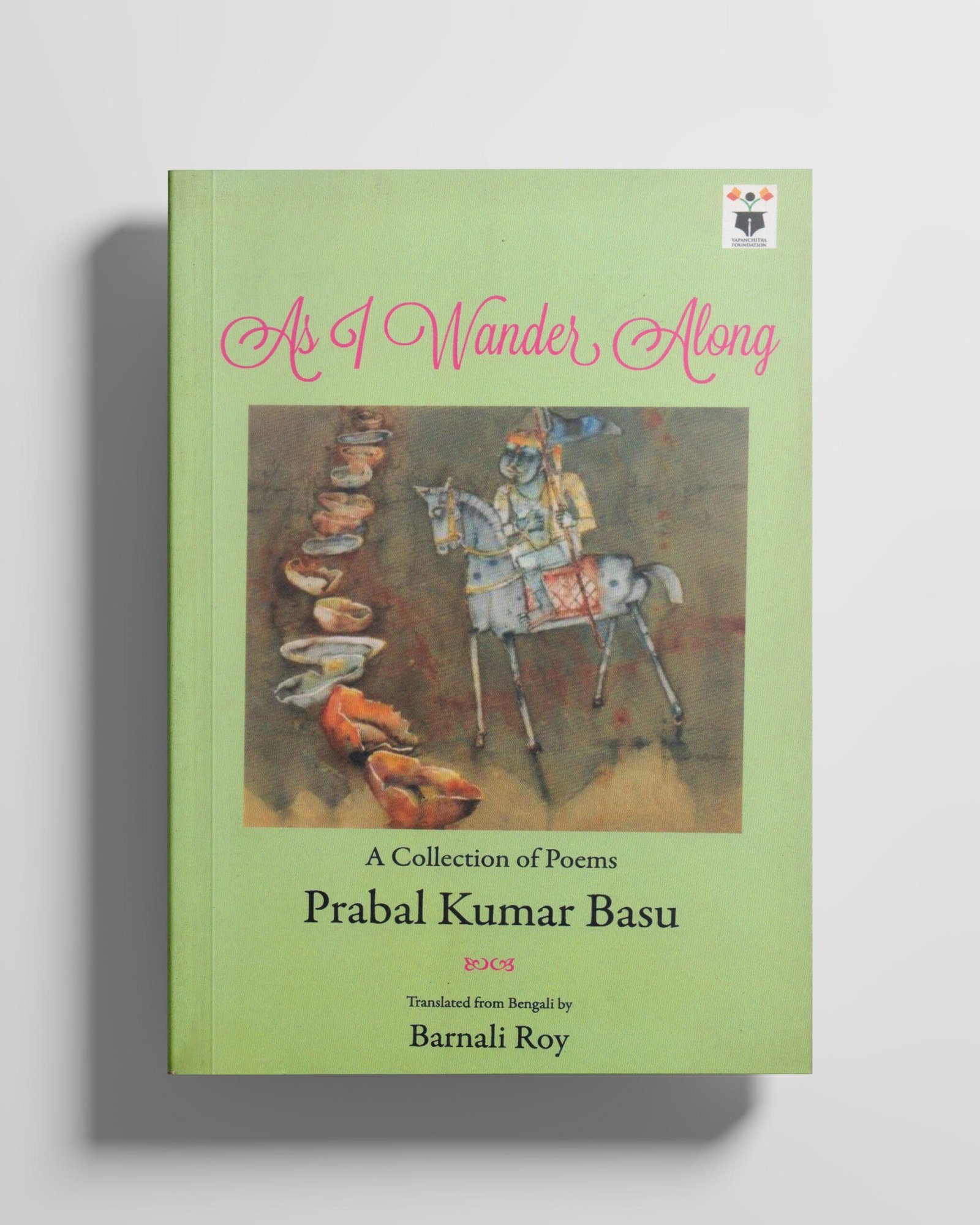
As I WANDER ALONG
translated by branali roy, yapanchitra
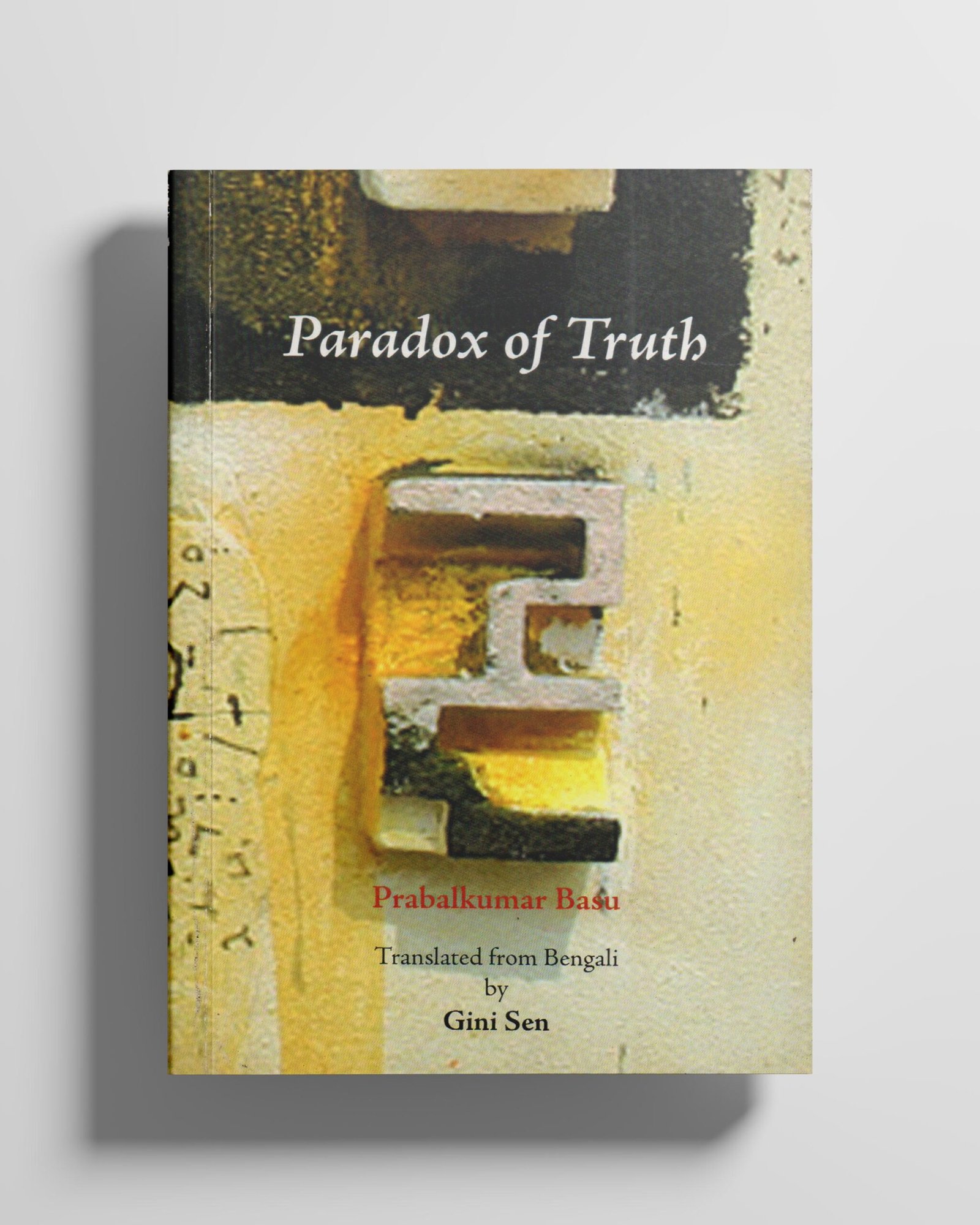
Paradox of truth
yapanchitra, 2013
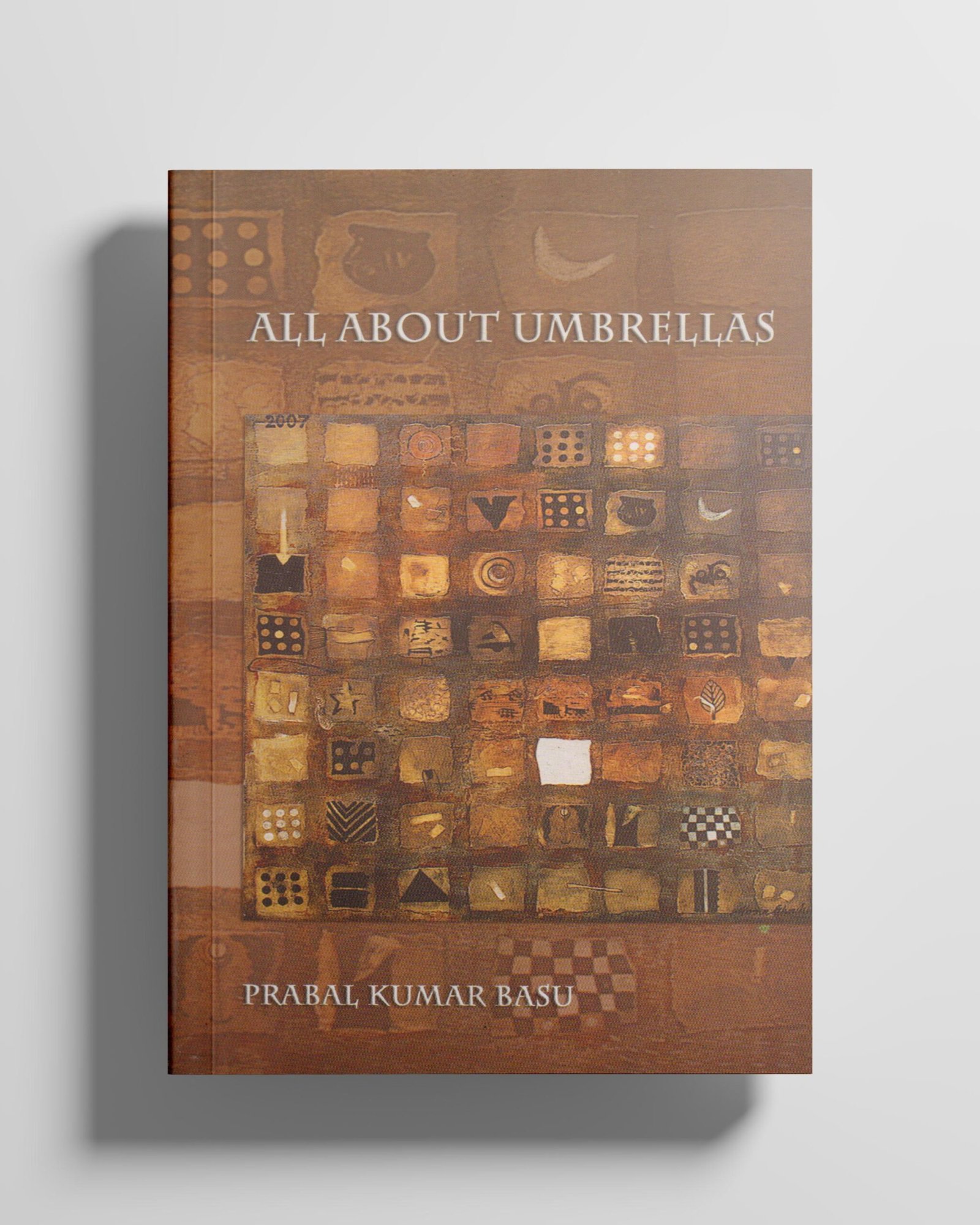
All about umbrellas
yapanchitra, 2009
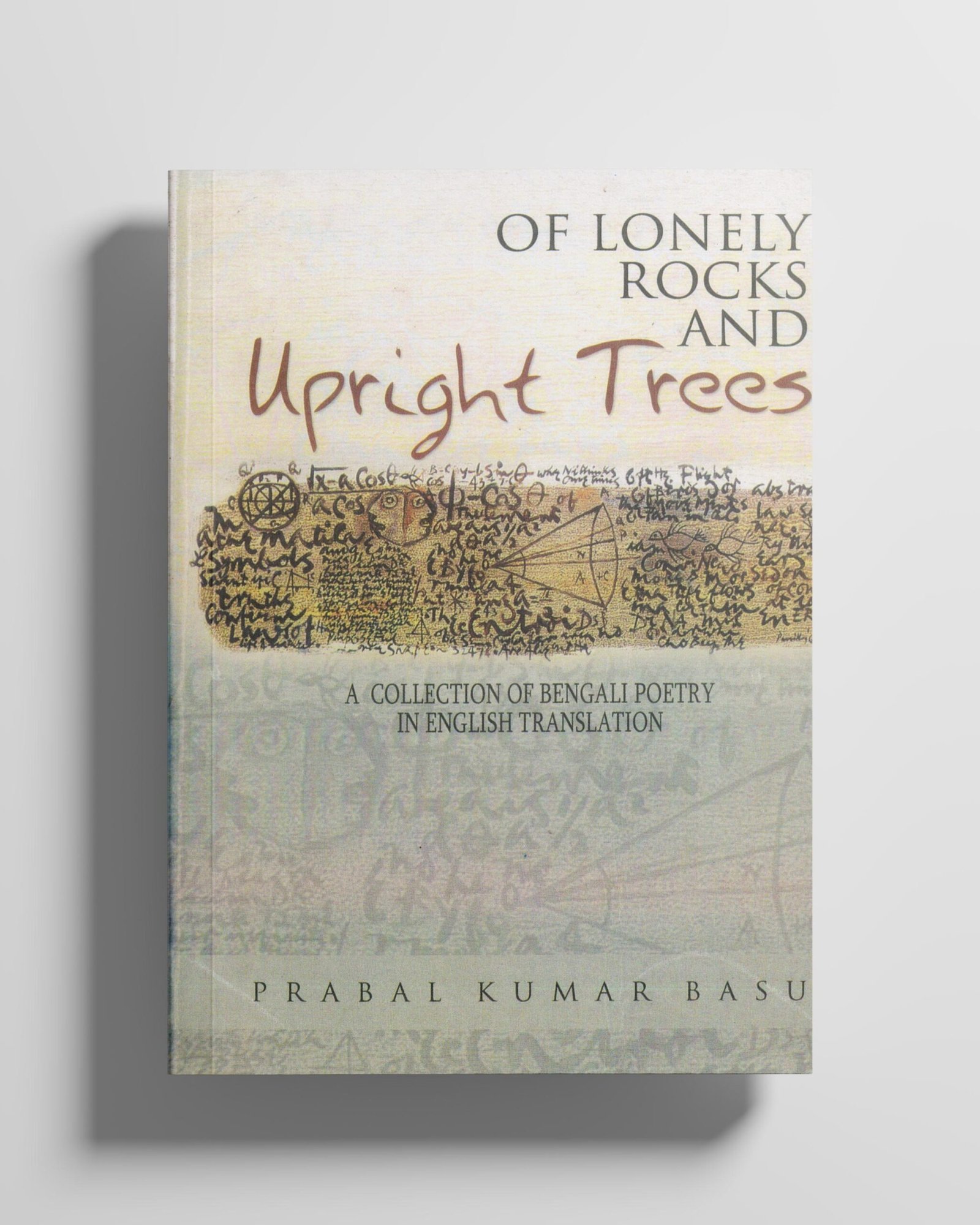
OF LONELY ROCKS AND UPRIGHT TREES
published by ubspd
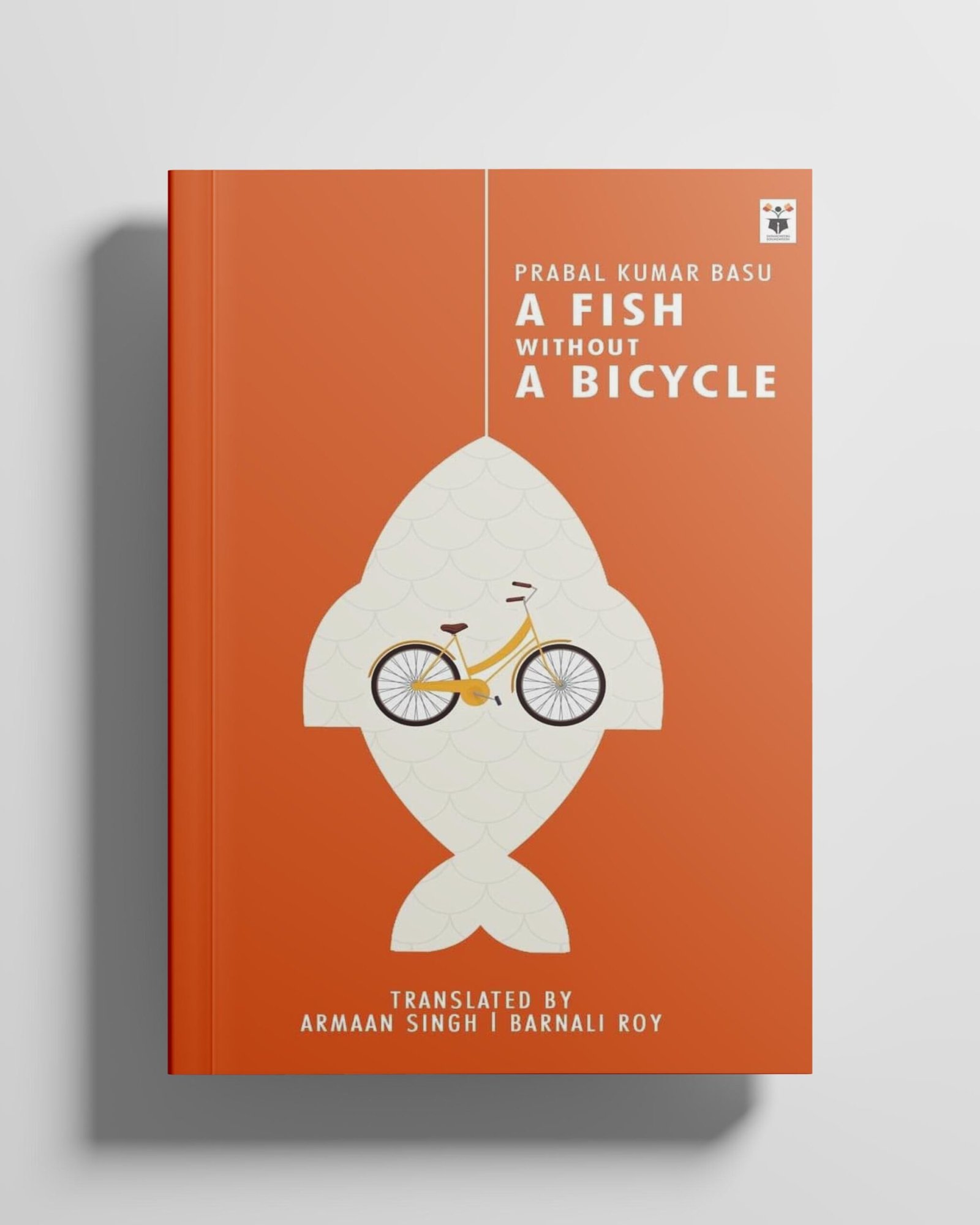
Fish without a bicycle
published by yapanchitra
Collections of Essays and Short Stories
নির্জন আলোর বৃত্তে
বাংলা কবিতার ঐতিহ্য থেকে বিশ্বকবিতার পরিসরে প্রবালকুমার বসুর যাত্রা, অভিজ্ঞতা ও কাব্যচেতনার এক নিবিড় পাঠ এই গ্রন্থ।
বিভিন্ন কবির সঙ্গে মতবিনিময় ও আত্মঅন্বেষণের মধ্য দিয়ে এখানে উন্মোচিত হয়েছে কবি ও পাঠক সত্তার এক অন্তরঙ্গ আলাপের পরিসর।
২০২৬
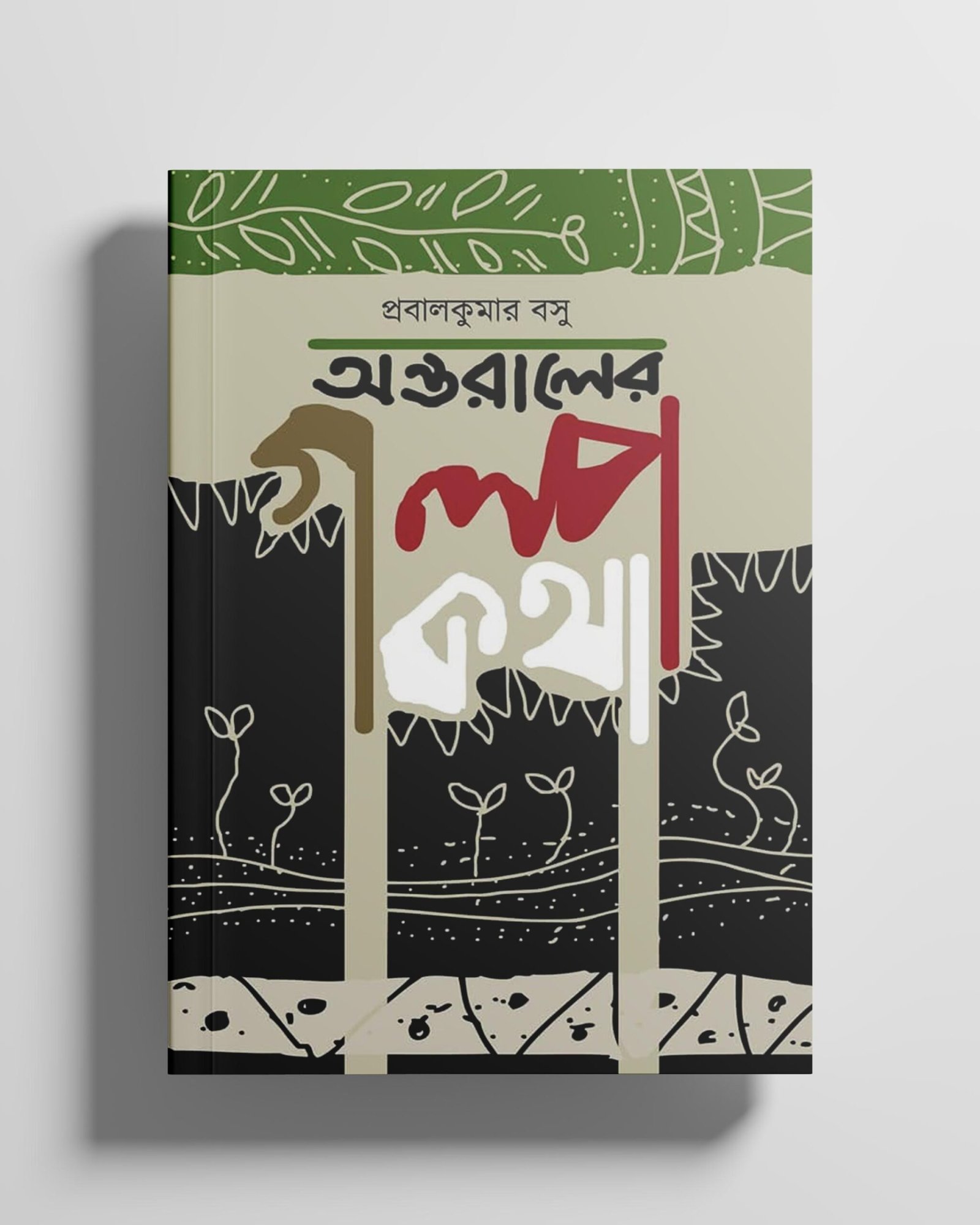
অন্তরালের গল্প কথা
atmaja, 2019
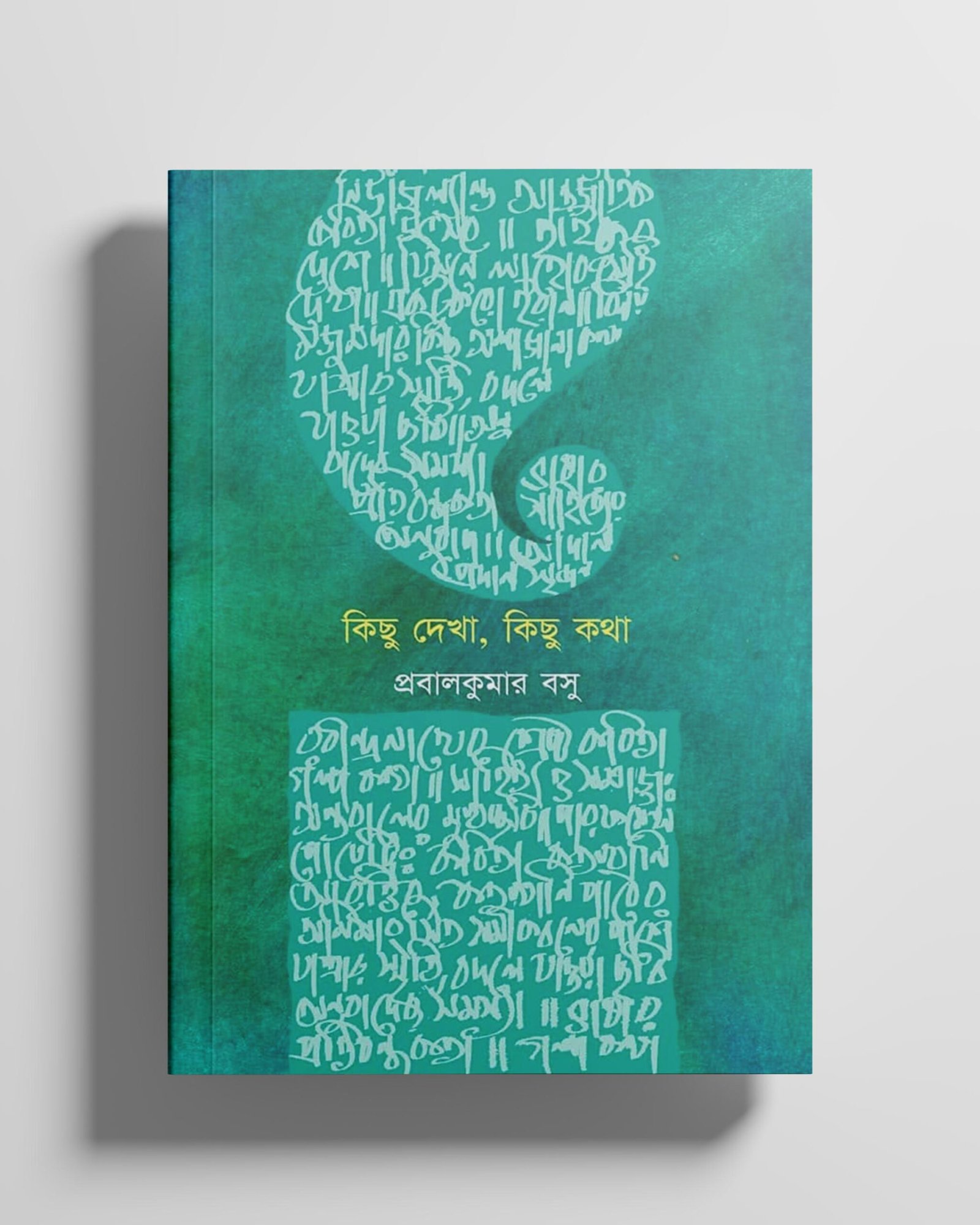
কিছু দেখা, কিছু কথা
chao publication, 2019
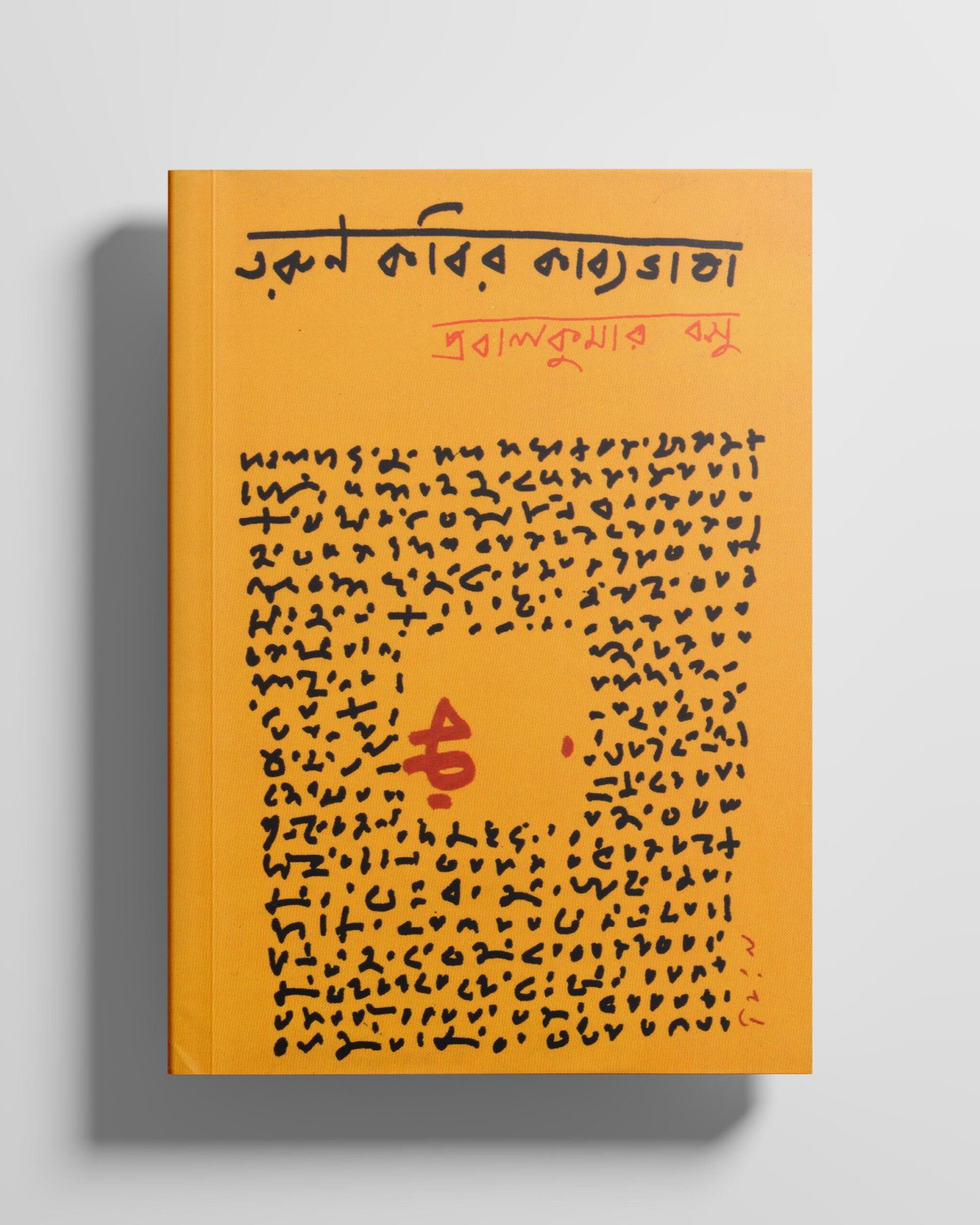
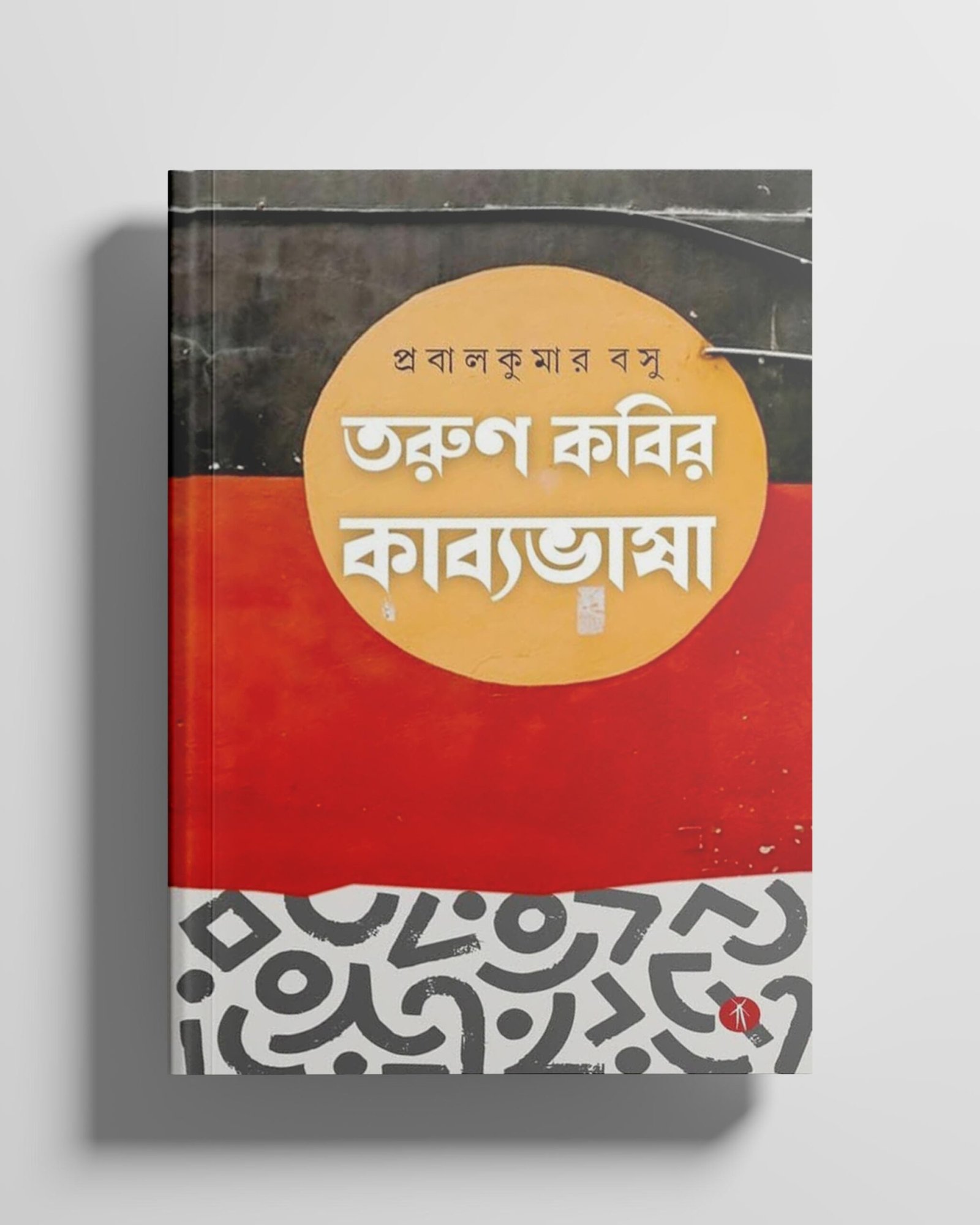
তরুন কবির কাব্যভাষা
yapanchitra, 2018
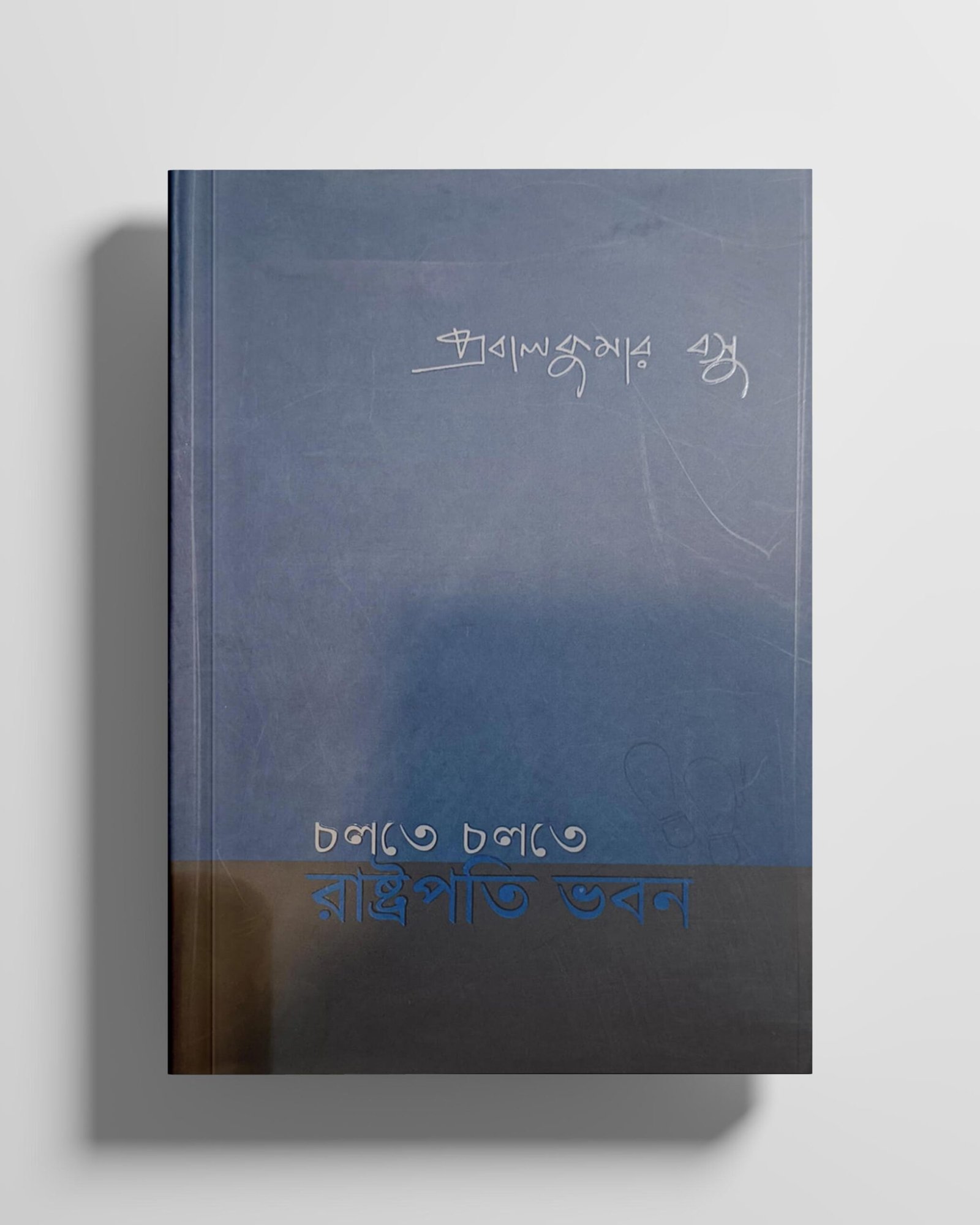
চলতে চলতে রাষ্ট্রপতি ভবন
srot publishing, tripura
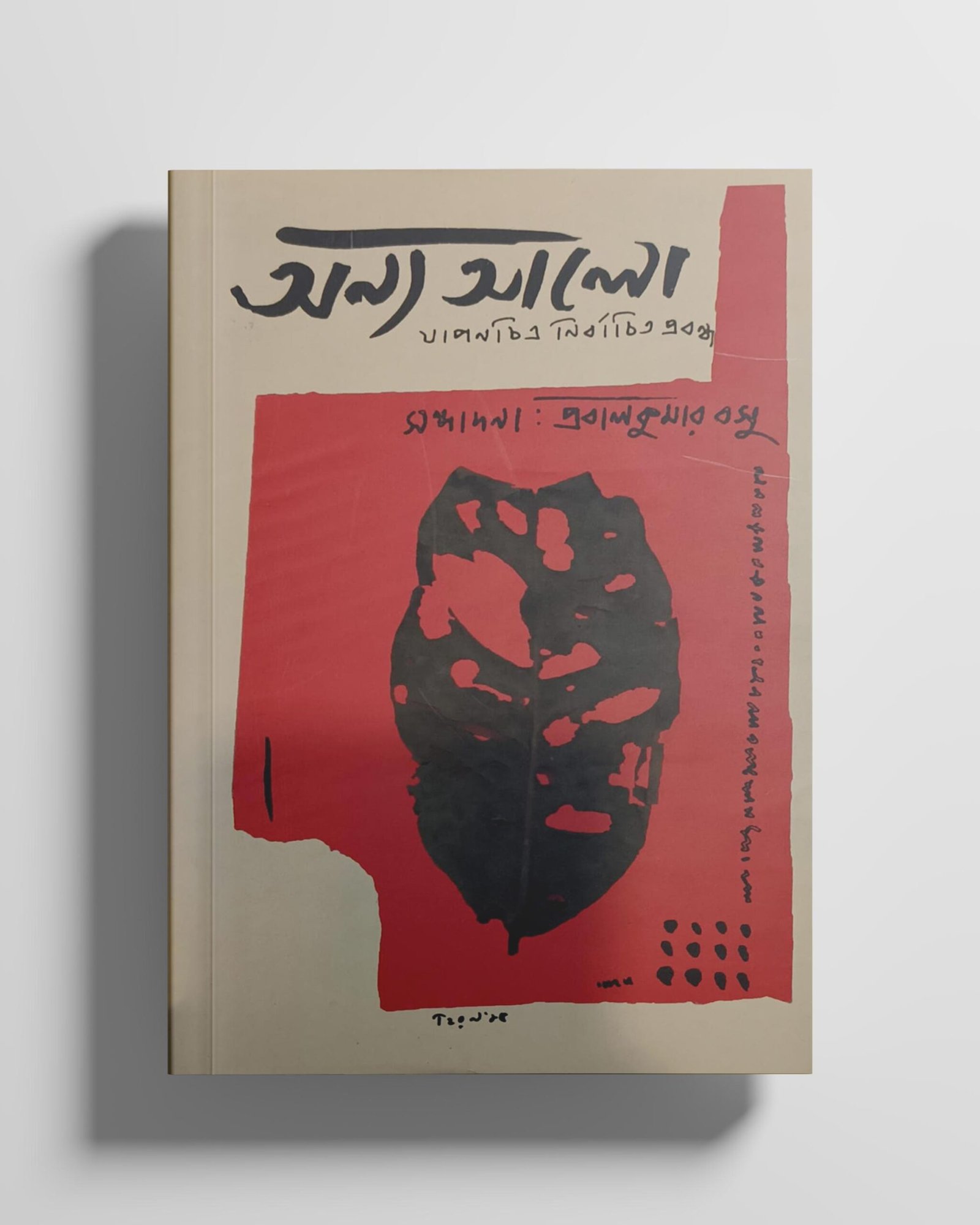
অন্য আলো
edited by prabal kumar basu, yapanchitra
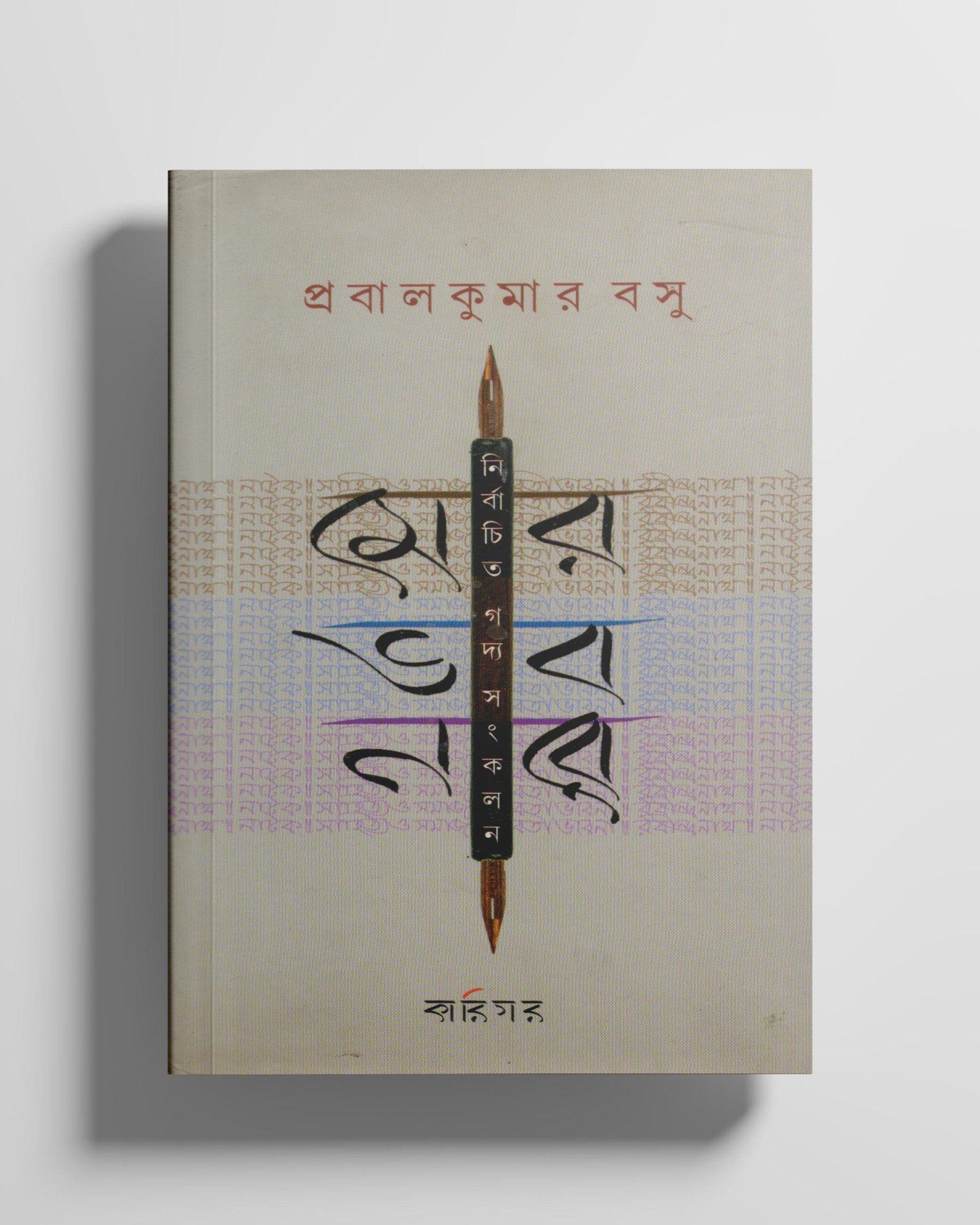
মোর ভাবনারে
karigar, 2012
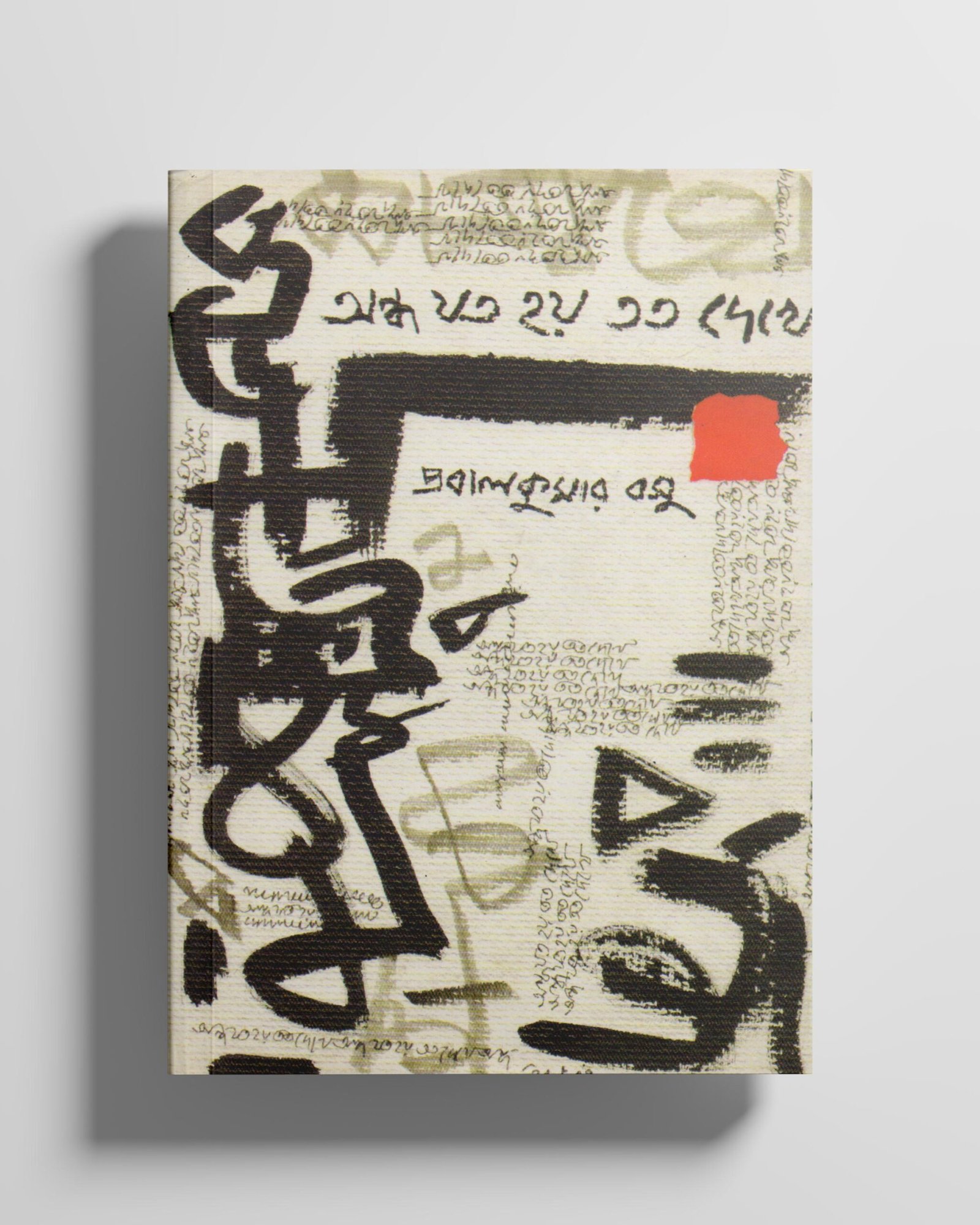
অন্ধ যত হয় তত দেখে
yapanchitra, 2007
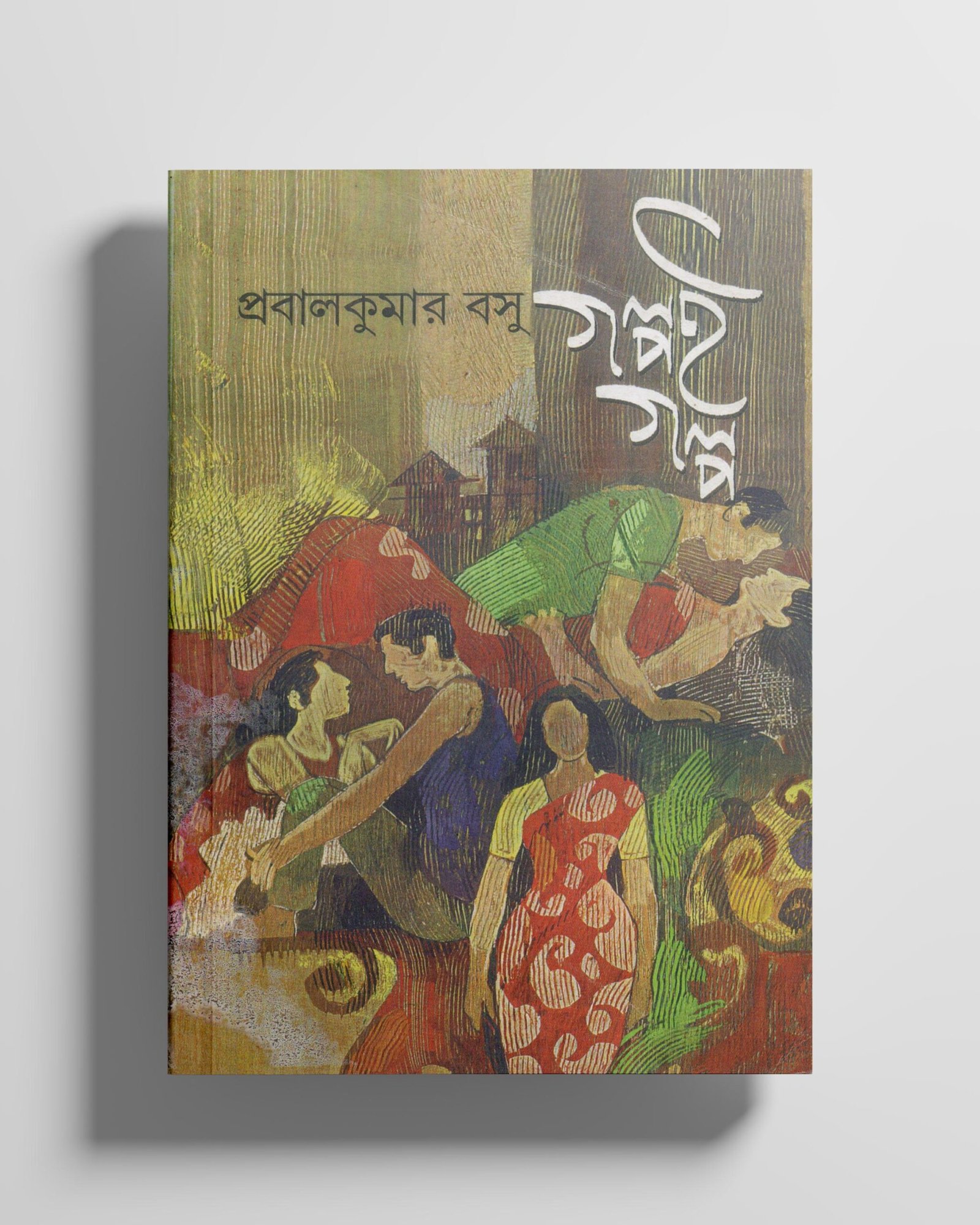
গল্পই গল্প
–
Eminent Reviews
Sunil Gangopadhyay
Indian Poet
“Prabal is one of the few bengali poets whose poetry has the flavour of modern world poetry”
“Prabal Kumar Basu is not afraid to tackle big themes. He explores the face of God, the meanings of identity, the human bestiary with equal facility.
This is a poetry of wit, of irony and strong, sometimes surreal imagery. Prabal Kumar Basu writes poetry that will keep you engaged and often amused even as he challenges you with paradoxes of personality and metaphysics. It is a poetry to linger over and to savour.”
Ron Pretty
Eminent Australian Poet &
Editor of poetry magazine ‘Blue Dog‘.
Grant Caldwell
Australian Poet
In his book, A Fish without a Bicycle Prabal Basu’s skilfully allegorical poems relate deeply personal and political
notions that take the reader to areas of thought and feeling in an always engaging and refreshing manner.’
Prabal’s poems, subtle and sensitive, walk away from monotonous highways to explore with a keen eyes and ears the poignant but fascinating drama of by-lanes.
His poems shun any trace of rhetoric, the mainstay of politics and politicised poetry, to keep alive the human warmth of the an intimate whisper.”It upholds the poetry of the mundane where great figures like Lenin or Shakespeare become friendly with common people who live obscurely but not un- interestingly. In an idiom stripped of pretension and propaganda, Prabal takes us through the rare treasures hidden under the ordinary.
His poems sound genuine, genial and, yes, deeply humane in the post- human world. They are glimpses into the world within the world, word within word.”
H. S. Shivaprakash
Eminent Kannada poet and playwriter.
Afaa M. Weaver
American Poet
I am reading “Fish without a Bicycle ” a delightful collection of English translations of poetry by Prabal Kumar Basu. I see myself assembling as I read. The book is a mirror that opens with a poem making metaphoric use of anatomy and blindness.
The body as fact and representation to foreshadow awakening is the compass that leads me into my initial discovery of India. In “The Lost Country,” the poet presents the persona of a blind man looking for someone in a heap of bodies, and the first sense of the familiar comes when he touches organs he knows. For the poet it is not discovery but reclamation, and that reclamation begs me to look at my own interior world. Reclamation for the poet becomes recognition for this reader.
These are poems with a philosophical tenor, some of which is given as aphorisms or parables, and throughout it all there is the concern for what the poet sees as the need for each of us to deepen our humanity thought realizing the importance of connecting with one another, of trusting, of realizing we can choose to build rather than destroy. This vulnerability appears again and again in the writing, and each time I see it, I sense the generosity I see in India, or the possibility of generosity. There is a richness in India that Prabal brings in his writing out of his love of his country. This is not the grandiosity of a poet who might imagine the world as his or her audience, but rather tears off pieces of himself with the faith that he is also tearing at the body of his homeland as offering.
Divided into two sections, A Fish Without a Bicycle opens and stirs the peeping eyes of the visible and invisible forces in our lives.The lyricism is palpable. It takes on form and becomes something I can taste as I read.
Prabal looks at historical figures, and he wonders where they are in the cycles of becoming and undoing, being and nonbeing. In “Che” he talks about the historical Che Guevara, as someone now living an ordinary life, convinced that revolution is a “discarded utopia.” Che has a girlfriend and is studying the ways of his new culture. In “A day in the Mundane Life,” the poet recounts meeting towering figures, including God, Lenin, and Shakespeare. God is a beggar. Lenin is a milkman who delivers to the doors of his customers. Shakespeare is presumably a government official because he asks the poet for his identity card. That which is big is also quite small, and that which is quite small is also rather big, or even infinite.
I feel I can begin to know India through the work of Bengali poet Prabal Kumar Basu. I can believe I once lived there, eons ago, that perhaps I was one of many traveling monks who went to China to teach a spiritual path. Maybe I was that, or I was someone who cleaned the floors of a small shop owned by someone who had compassion for me. May be that is all just an imaginative gesture flowing out of me as I sit at this machine and compose, doing what the poet says in poem “38”: “I lower the rope and realize/ that the well is deep…” On this first trip into you, I was given many doors, including this marvelous collection of poetry, telling no one that I had just lost my forty-nine year old son a few months before, that I had to verify that his organs were indeed his so they could be replaced into his body, and in that way I came to know him more deeply than I could have imagined. If poetry is a dream, the first dream in this book by Basu helps me realize anew the infinity of life and love, the beauty of the divine.